
France · Nice, Provence
Provence & Nice Carnival
The only elegant escape just across the border
- Beyond the border
- Wine & food
- History & art
A few hours from home and everything changes: the light, the accent, the scent. On the Côte d'Azur the sea turns to velvet and villages cling to the rock like eagles' nests; inland, Provence stretches fields of ochre and lavender. And in February Nice blazes with one of the world's greatest carnivals. This is not an itinerary: it is the story of a France that looks as though it was painted.
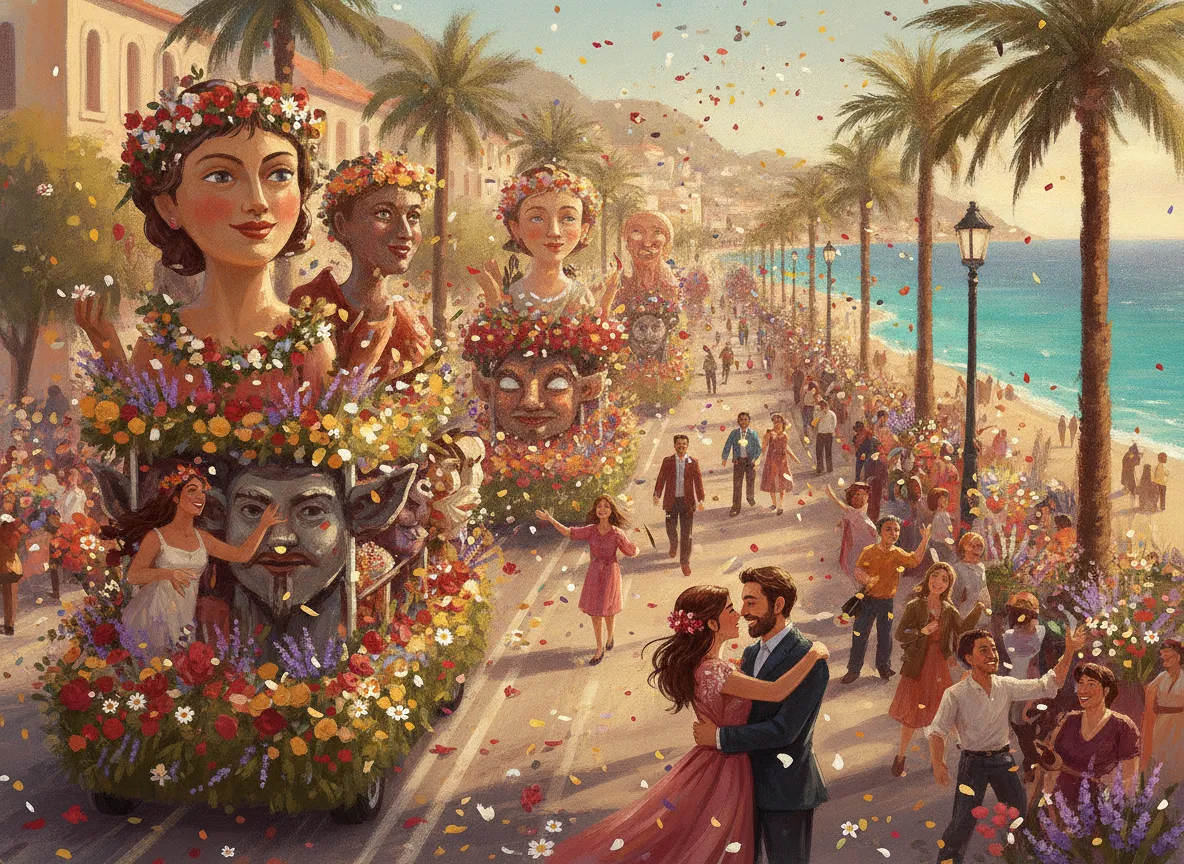
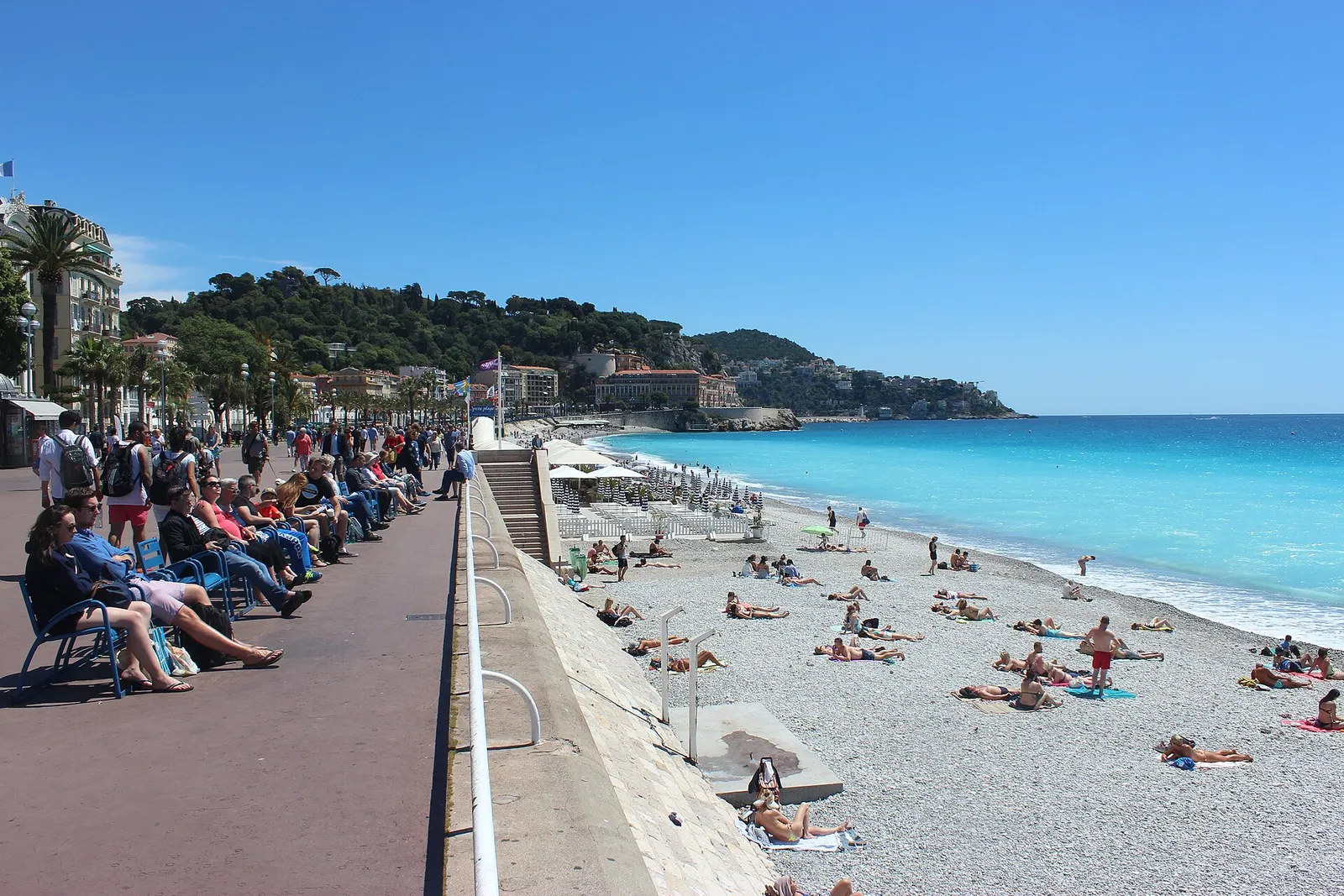
It all begins with a battle of flowers. In 1876 the poet Alphonse Karr, besotted with his gardens, imagined a procession in which people would throw fragrant bouquets instead of confetti: and so the Bataille de Fleurs was born, the tender heart of the Nice Carnival. Today it is a river of floats, mimosa and roses hurled into the crowd, presided over by enormous papier-mâché «grosses têtes» mocking the powerful of the moment. The modern carnival has paraded along the Promenade des Anglais since 1873 and draws nearly a million people: our Furore tour leads take you where the celebration still has a soul, amid the wry sarcasm of the Niçois and the smell of freshly baked socca.
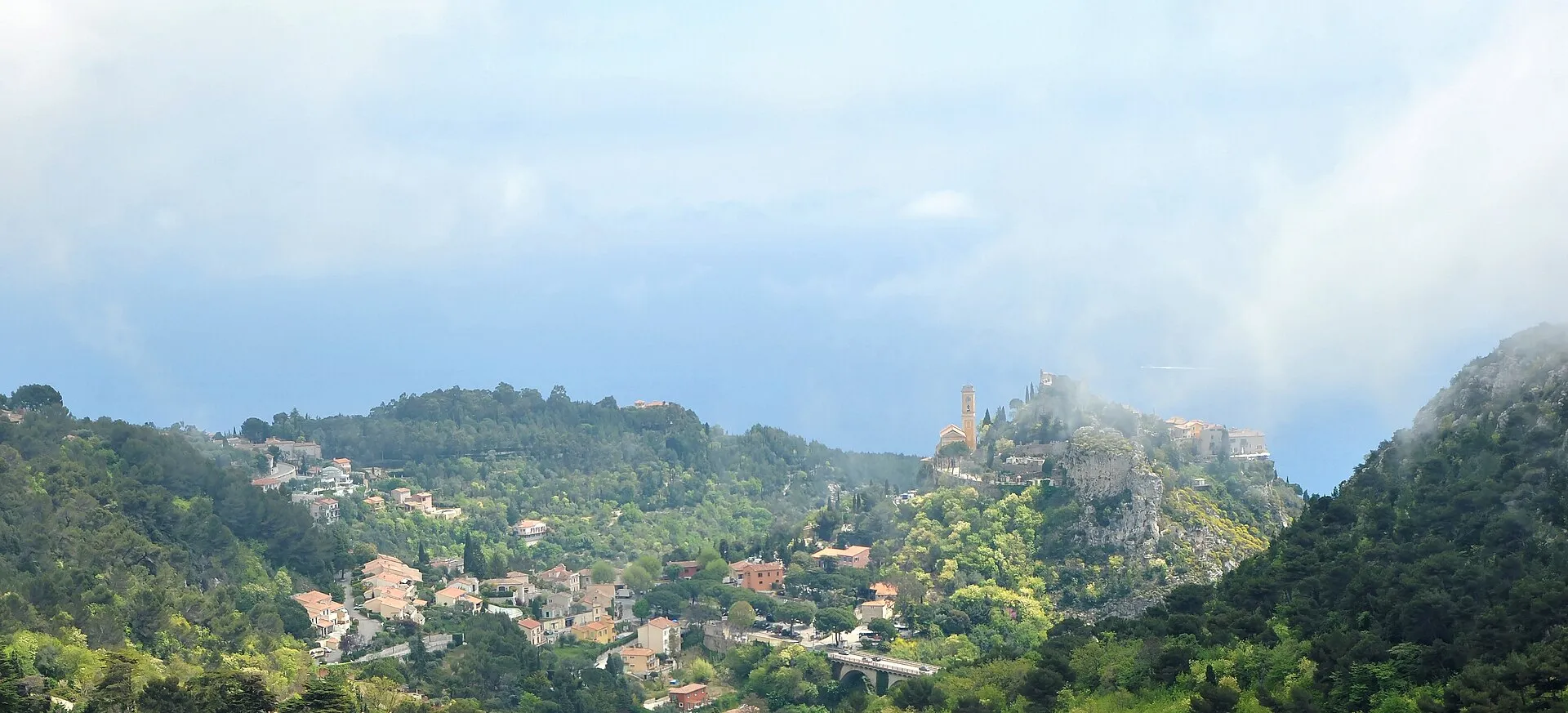
Then you climb, and the Côte d'Azur reveals its suspended villages. In Èze — the «eagle's nest» at 429 metres above the sea — you walk the Chemin de Nietzsche, the very path the philosopher trod while conceiving «Thus Spoke Zarathustra», until at the summit a cactus garden opens onto the blue void stretching all the way to Saint-Tropez. In Saint-Paul-de-Vence, within the walls, you understand why Chagall chose to live here from 1966 until the end: we pause before his simple grave in the small cemetery overlooking the valley, before climbing to the Fondation Maeght, the modern art museum that André Malraux inaugurated in 1964 among pines and Giacometti sculptures.
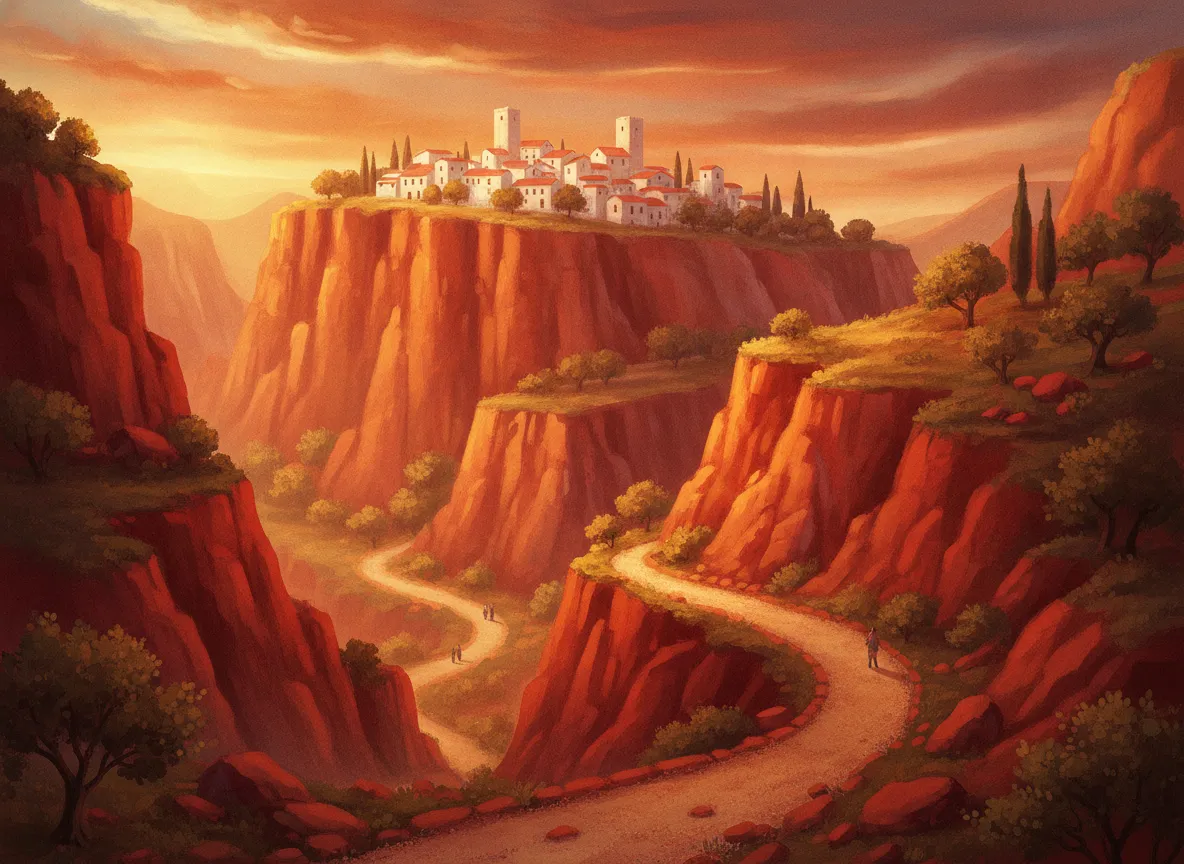
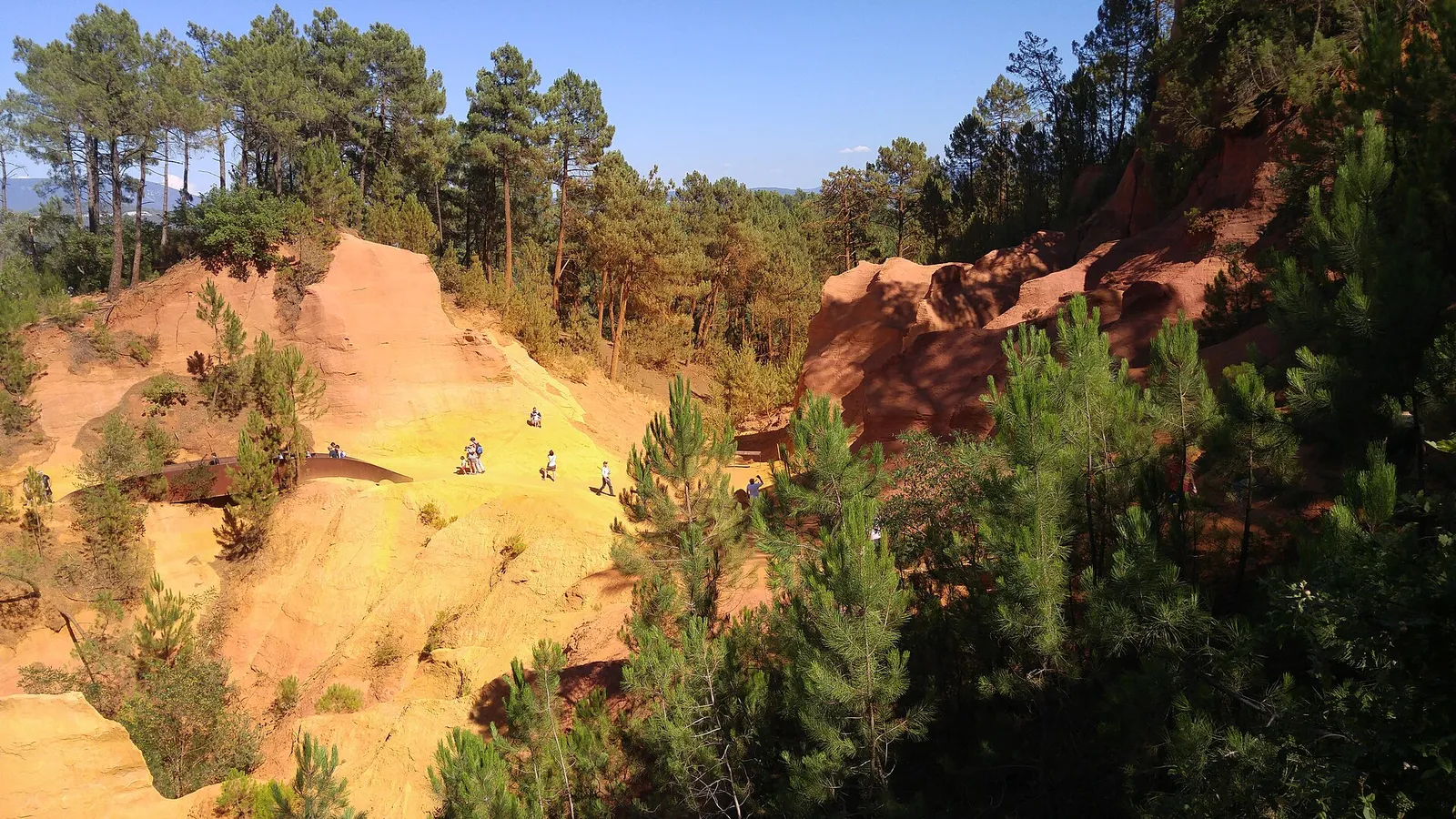
Beyond the coastal border, in the Luberon, Provence becomes earth and colour. In Roussillon the village is built from the same red stone as its quarries: the Sentier des Ocres winds between cliffs that shift from yellow to copper with every change of light, carved from one of the world's largest ochre deposits. Not far away, below Gordes, the abbey of Sénanque — founded in 1148 and still home to a handful of Cistercian monks — floats on a sea of lavender in the final weeks of June. Here our tour leads speak not of monuments, but of pigments, of silence, and of a scent that stays with you.
Upcoming departures
Upcoming departures coming soon — write to us for dates and info.
What you'll live
La Bataille de Fleurs
Flower-covered floats, mimosa thrown into the crowd and papier-mâché «grosses têtes»: the Nice Carnival at its most tender (February).
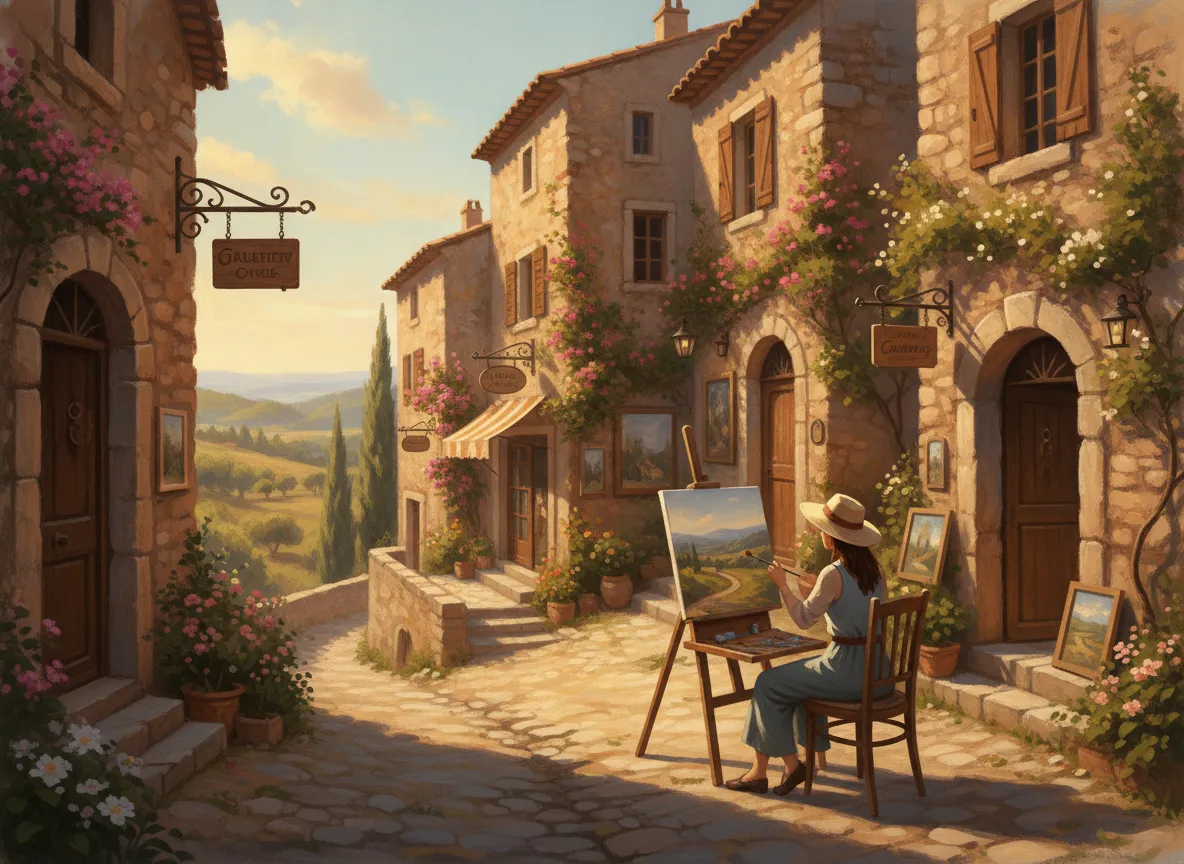
Saint-Paul-de-Vence
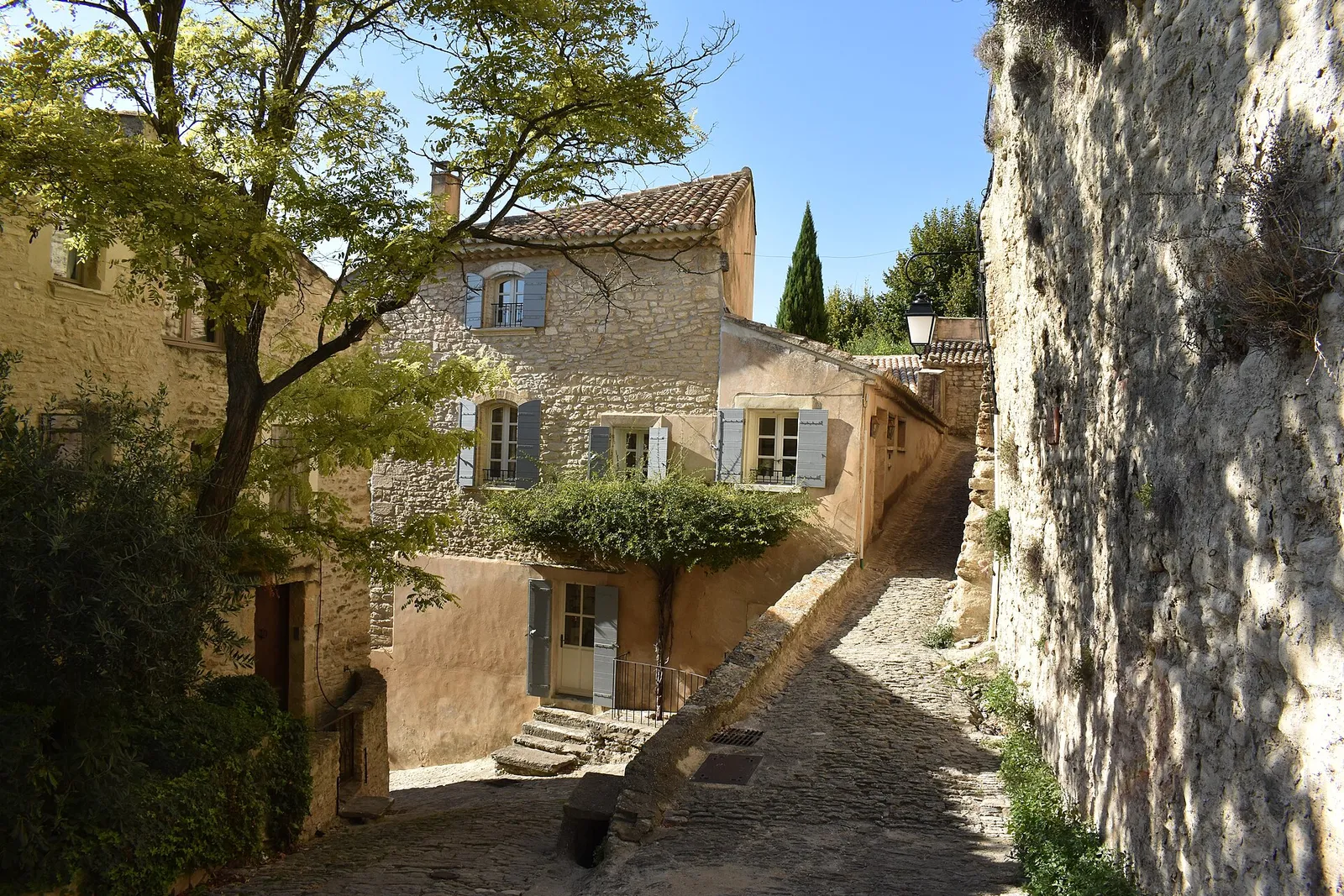
The artists' village where Chagall lived: gallery-lined alleyways, his grave overlooking the valley, and the Fondation Maeght.
The ochres of Roussillon
The Sentier des Ocres among red and golden cliffs, carved from one of the world's largest ochre deposits.
Lavender at Sénanque
The Cistercian abbey of 1148 that floats on a violet sea, in the final weeks of June and the first days of July.
Stories of the villages
Every village on the journey keeps a story. Here are the ones your tour lead will bring back to life.
 01
01Nice — Alphonse Karr's battle of flowers
In 1876 the poet and gardener Alphonse Karr, German by birth and Niçois by adoption, grew tired of confetti. Besotted with his flowers — in Nice he had practically invented the cut-flower trade — he imagined a procession in which people would throw fragrant bouquets instead of coloured paper: on the Promenade des Anglais the first Bataille de Fleurs was born, the gentlest heart of the Nice Carnival.
Today it is a river of decorated floats from which young people hurl mimosa and roses into the crowd, while enormous papier-mâché «grosses têtes» mock the powerful of the moment. Your tour lead takes you where the celebration still has a soul: you need only close your eyes for a moment to feel the air scented with mimosa and freshly baked socca, and understand why here flowers are worth more than confetti.
 02
02Saint-Paul-de-Vence — The village Chagall never wanted to leave
Marc Chagall arrived here in 1966 and never left: in Saint-Paul-de-Vence, a village that had already welcomed Matisse, Picasso, Léger and Miró, the Russian painter found the light he had been searching for all his life. He filled his canvases with lovers suspended in the sky, goats and cockerels floating above the rooftops, immense bouquets of flowers — the village itself, transfigured into a dream. When he died on 28 March 1985, he chose to remain within its walls forever.
Your tour lead pauses before his simple grave in the small cemetery overlooking the valley, where visitors still leave a pebble or a flower. Then you climb back towards the Fondation Maeght among the pines, and walking through the gallery-lined alleyways, with the golden stone burning warm in the afternoon sun, you understand how an artist can fall so deeply in love with a place that he never leaves it.
 03
03Roussillon — The blood of Dame Sirmonde and the red ochres
Legend has it that in the twelfth century the castle of Roussillon belonged to Raymond d'Avignon, a lord so consumed by hunting that he would leave his wife, the beautiful Dame Sirmonde, alone for days on end. She fell in love with the young troubadour Guillaume de Cabestan; when her husband discovered this, he killed him and had his heart served to her at table. Shattered by grief, Sirmonde ran to the top of the cliffs and threw herself into the void: her blood, they say, stained the earth of the entire Luberon red forever. The ochres of Roussillon were born.
Today that impossible red is the Sentier des Ocres, which winds between cliffs sculpted by wind and two centuries of quarrying, shifting from yellow to copper with every change of light. Your tour lead accompanies you when the sun is low and the stone seems to glow from within: you walk upon a legend, and carry away ochre dust on your shoes like a signature from Provence.
From the battle of flowers to the kingdom of ochre
The Côte d'Azur and Provence share a golden century: artists, monks and ochre quarrymen have given these places a light that our tour leads still recount to you stone by stone. Here are the milestones to touch with your own hands.
- 1148
The abbey among the hills
Cistercian monks found the Abbey of Sénanque, below Gordes; to this day a small community cultivates the lavender that surrounds it in violet at the end of June.
- 1873
The modern carnival is born
A festival committee gives the Nice Carnival its modern form, with a procession of floats along the seafront: today it draws nearly a million people.
- 1876
The first Bataille de Fleurs
The poet Alphonse Karr, besotted with his gardens, imagines a procession in which people throw bouquets of flowers: the most tender soul of the carnival is born.
- 1964
The Fondation Maeght
In Saint-Paul-de-Vence, André Malraux inaugurates the modern art museum of Aimé and Marguerite Maeght, among pines, Giacometti sculptures and works by Chagall.
- 1966–1985
Chagall chooses the village
Marc Chagall lives in Saint-Paul-de-Vence until his death and is buried in the small cemetery overlooking the valley: the village becomes a symbol for artists.
The Furore group tour — from 20 to 50 participants, on fixed calendar dates — travels through the Côte d'Azur and Provence at a pace designed so nothing is missed: dedicated coach transfers, early-morning stops at Provençal markets, and carefully chosen tables where chilled rosé is drunk in the shade of plane trees. Èze and Saint-Paul-de-Vence are visited during the most favourable hours; Aix-en-Provence — Cézanne's «city of a thousand fountains» — is discovered on foot along the Cours Mirabeau among the market stalls; the Luberon is savoured at leisure, between Gordes, Roussillon and the lavender fields in bloom. The Nice Carnival is a dedicated chapter in February departures: a collective experience shared by the whole group, not a crush.
Every stop is accompanied by a Furore tour lead and, where planned, by local experts — people who were born here or chose to stay, and who know the true stories behind every stone: the painter, the monk, the ochre quarryman. You sign up, you set off together, and a geographical border becomes, simply, the threshold of another wonder.
The journey map
When to go
What's included
- Dedicated storytelling tour lead
- Transfers on site included
- Selected charming places to stay
- Experiences and tastings on the programme
- Furore 24/7 assistance
Not included
- Return travel to the departure location
- Meals not indicated in the programme
- Tips and personal extras
- Travel insurance (optional)
Where you will sleep
We choose every place to stay by hand: no anonymous chains, but places with a soul, in the heart of the villages or looking out over the landscape.
Historic residences
Palaces and stone houses in the centre of the villages, among ancient walls and silence.
Boutique hotels
Small charming hotels, with a view, attentive service and an intimate atmosphere.
Farmhouses and wineries
Authentic hospitality among vines, olive trees and real tables, where they welcome you like home.

Your tour lead
Not just any chaperone: a storyteller of the land, born here or who chose to stay. They know the true stories, the doors to open and the right rhythms. They are the person who turns a beautiful journey into an unforgettable memory.
The journey timeline
- Departure from Naples
- Day 1
Nice and the velvet sea
Arrival, a stroll through the Vieille Ville and along the seafront; in February, a first foray among the floats and lights of the Carnival. A Niçois dinner of socca and pissaladière.
- Day 2
Villages suspended above the sea
Èze, the eagle's nest with its cactus garden and the Chemin de Nietzsche; in the afternoon Saint-Paul-de-Vence, Chagall and the Fondation Maeght.
- Day 3
Towards the Luberon
Private transfer inland. Gordes overlooking the valley and the abbey of Sénanque among its lavender fields.
- Day 4
Ochre, markets and rosé
Roussillon and the Sentier des Ocres in the morning; in the afternoon Aix-en-Provence, the fountains, the Cours Mirabeau and a toast in the shade of the plane trees.
- Return to Naples
Frequently asked
When does the Nice Carnival take place?
Usually in the last two weeks of February, around the traditional Carnival period. We include it in our calendar departures for that time of year; for the rest of the year the tour is equally wonderful without it.
What is the best time for lavender in Provence?
The flowering season runs from roughly late June to the first half of July. At Sénanque, sheltered in its valley, the last days of June or the first days of July are ideal.
How many days does the Provence & Nice Carnival tour last?
Calendar departures cover 5–7 days, enough to combine the coastal villages and the Luberon without stressful transfers and with time for markets and good food.
How does booking the tour work?
You choose a departure date from the Furore calendar, sign up and pay the fee. The tour departs with a group of 20 to 50 people and a dedicated tour lead who accompanies the entire journey.
More villages to discover
 Abruzzo
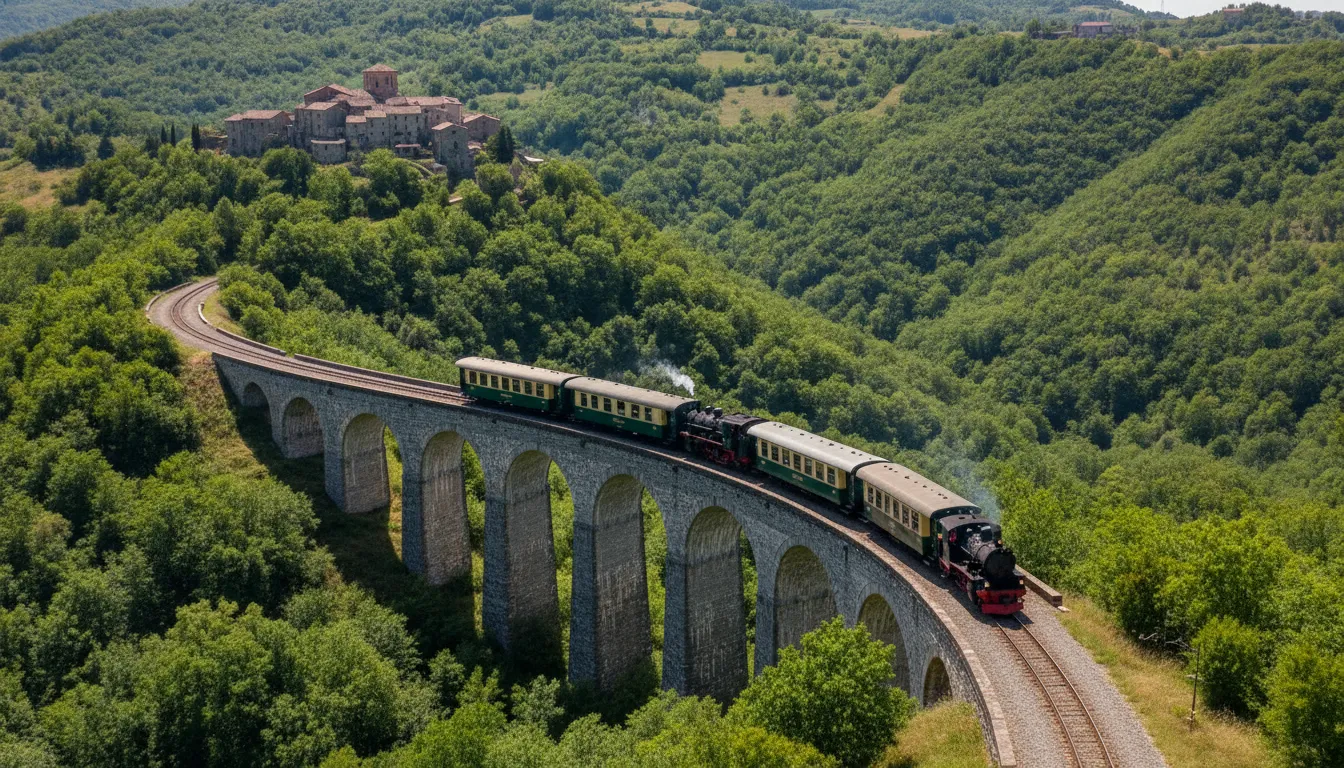
Italy's Transiberian and the Villages of Abruzzo
Abruzzo · Sulmona, Pescocostanzo, Cocullo, Campo di Giove
A slow train through the wild heart of the Apennines
Explore the village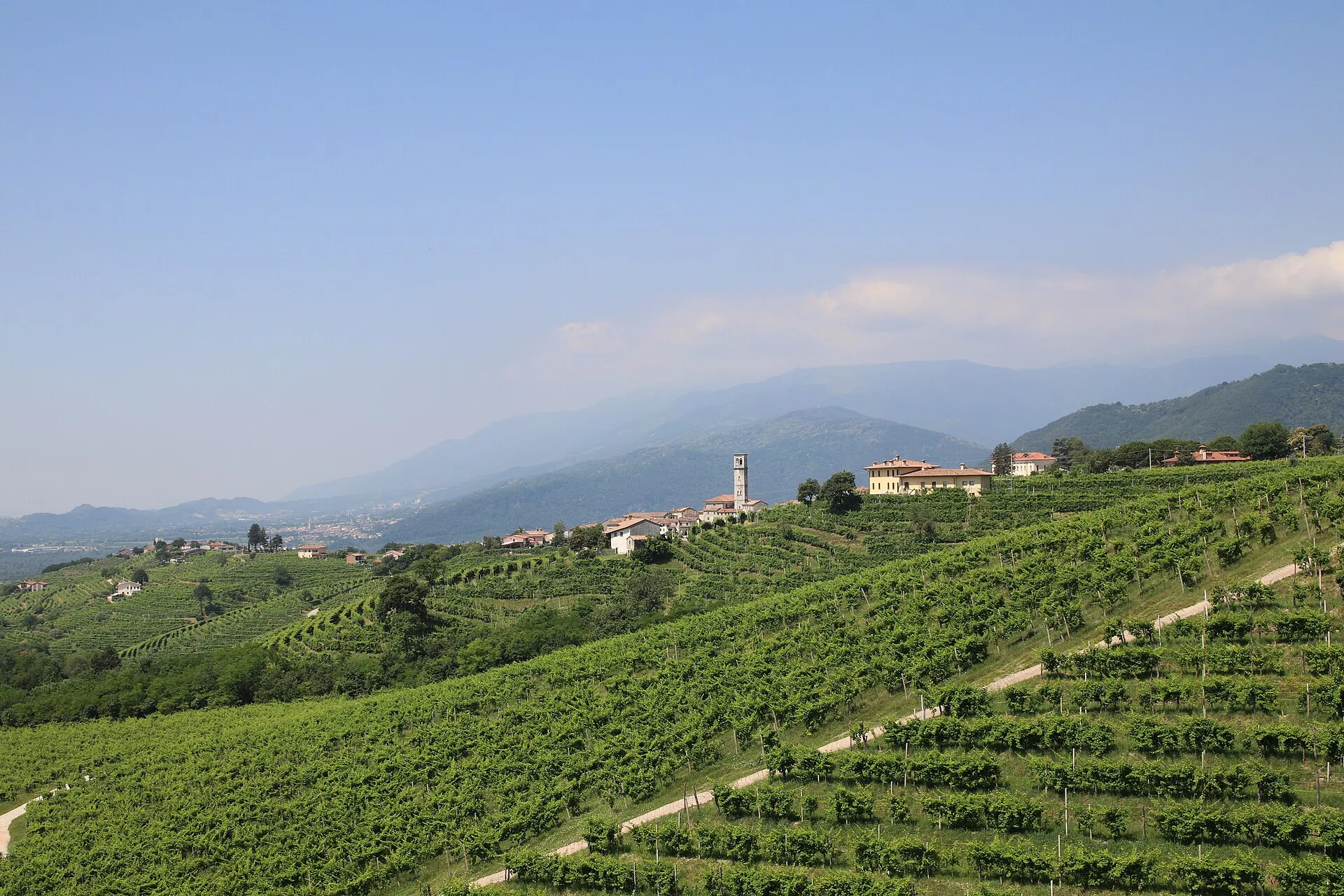 Veneto
Colline del Prosecco
Veneto · Valdobbiadene, Conegliano and the UNESCO Rive
Hills where the light of the Pre-Alps becomes wine
Explore the village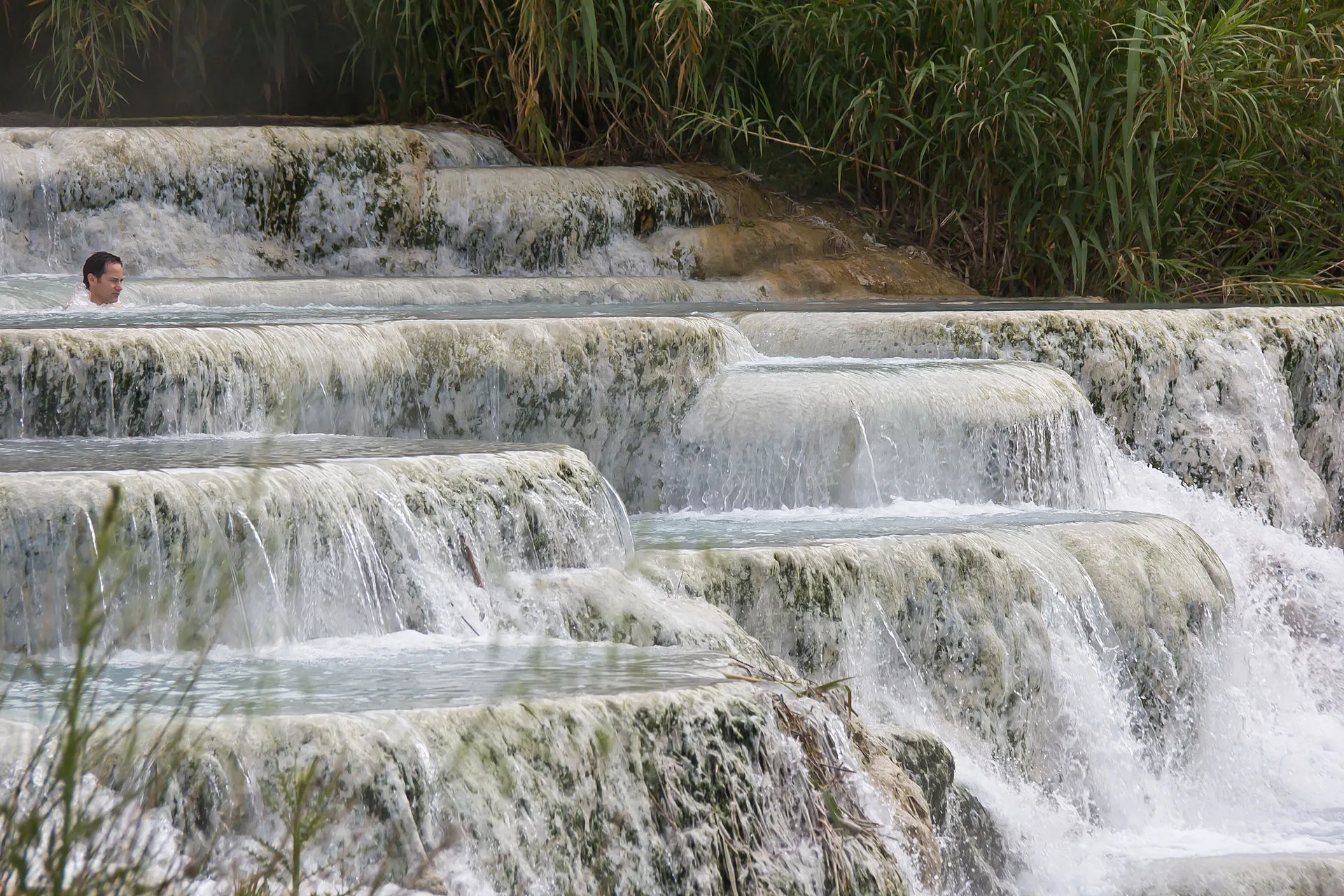 Tuscany
Saturnia and the Tuscan Maremma
Tuscany · Saturnia, Pitigliano, Sovana
Warm waters born from a thunderbolt and cities carved from tufa
Explore the villageReady to truly set off?
Choose the tour that calls you and sign up: the itinerary, the stories and the logistics are on us.