
Abruzzo · Sulmona, Pescocostanzo, Cocullo, Campo di Giove
Italy's Transiberian and the Villages of Abruzzo
A slow train through the wild heart of the Apennines
- Scenic trains
- Mountains
- Hiking
- History & art
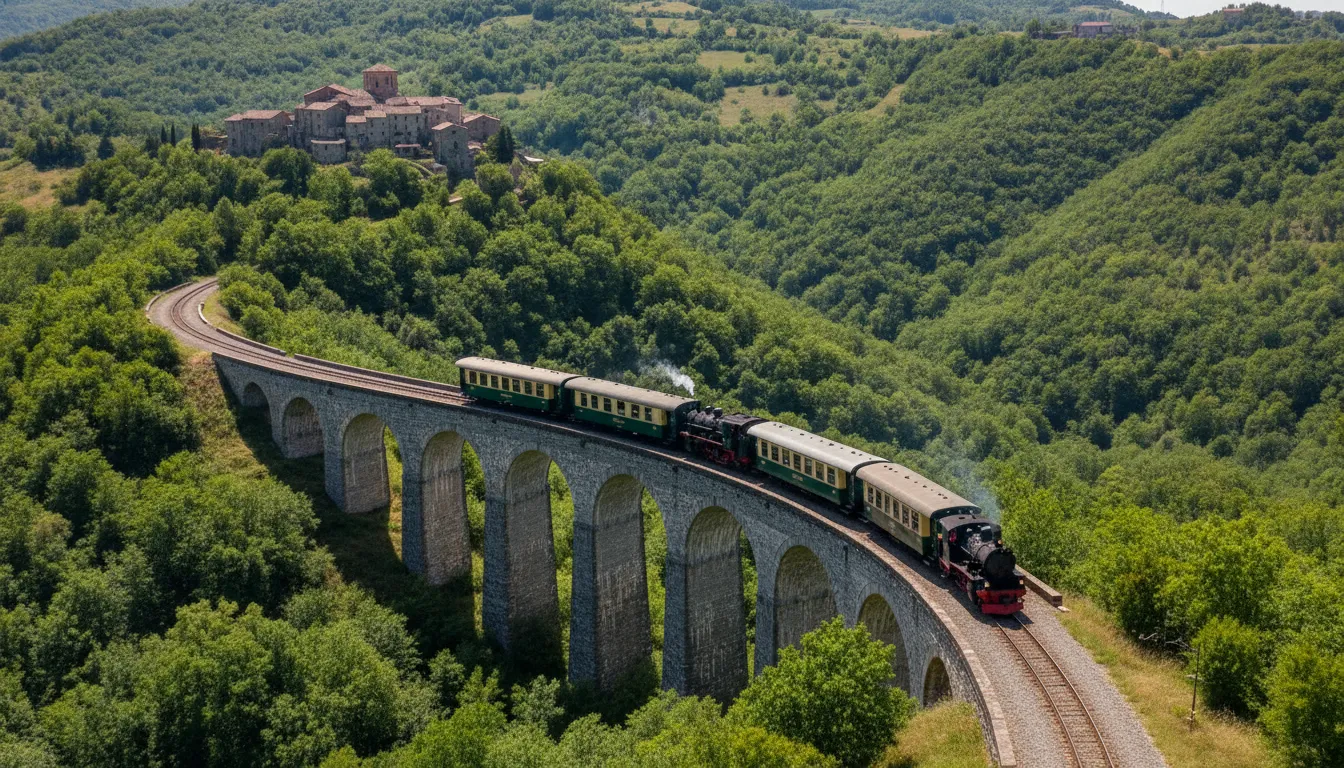
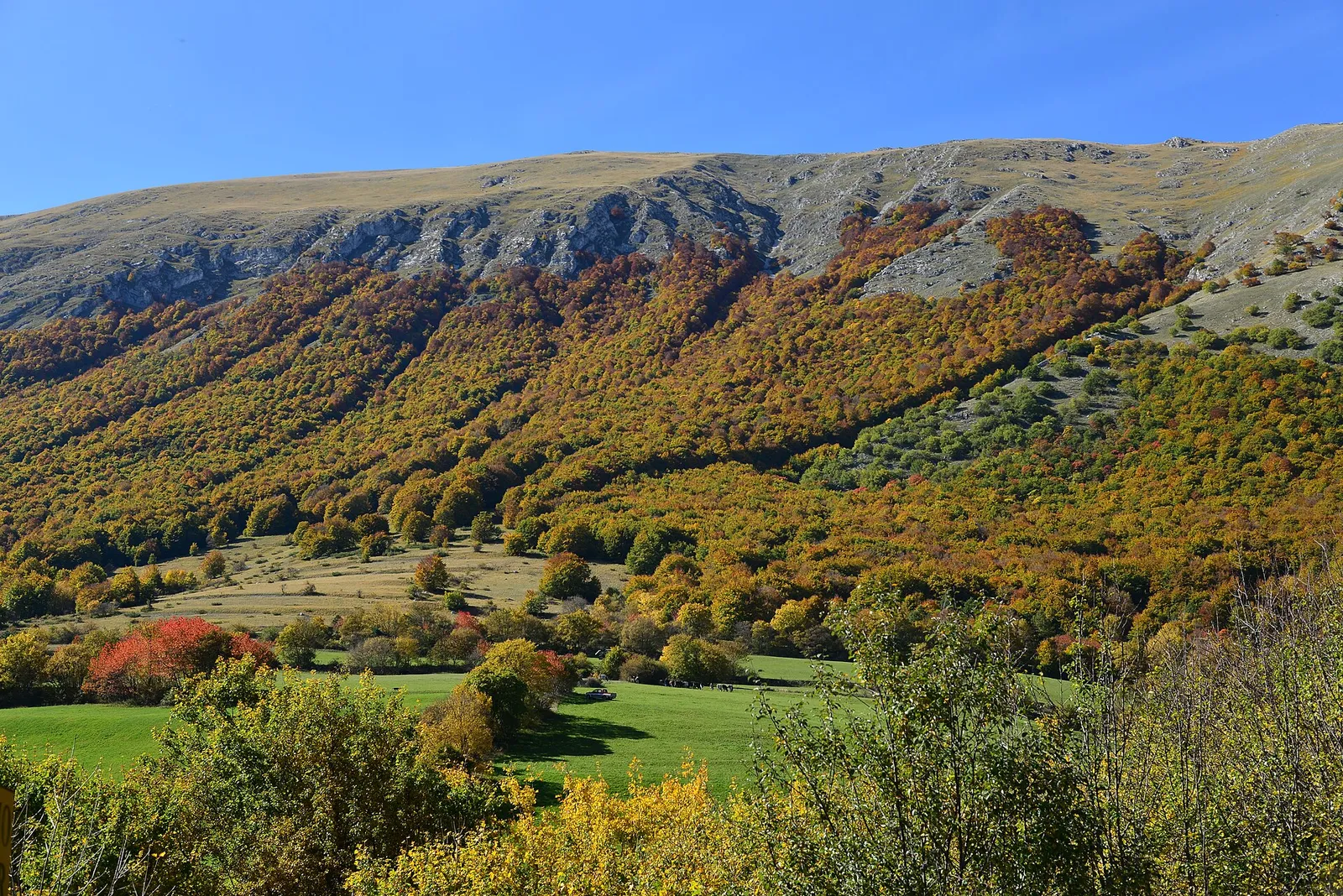
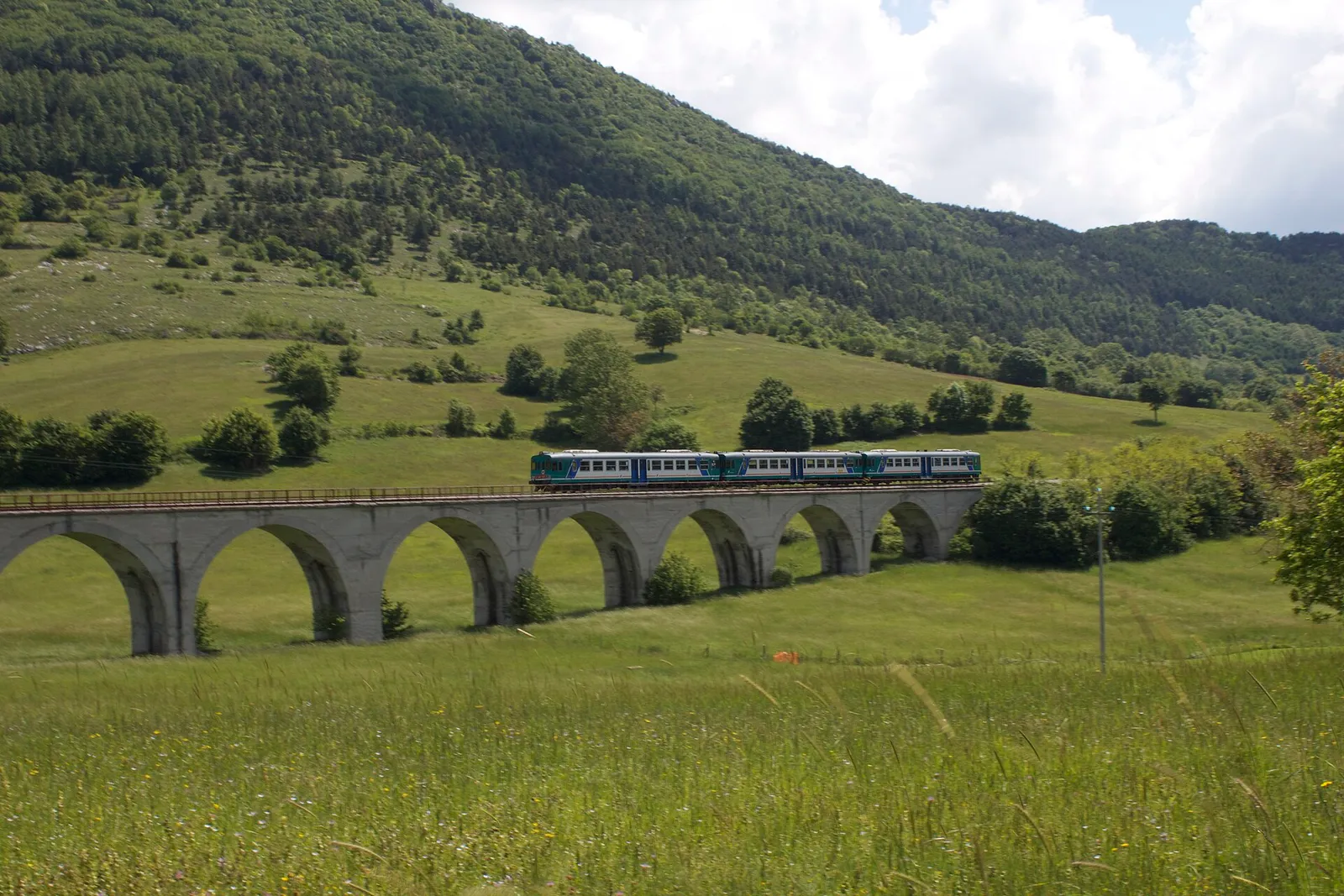
There is a train that for over a century has been climbing the high plateaus of Abruzzo, through wooden carriages and low windows framing the snow. They call it the Transiberian of Italy, and it crosses a land of wolves, confetti, lace and snake-charmers. This is no railway excursion: it is the thread that stitches together the most secret villages of the Maiella.
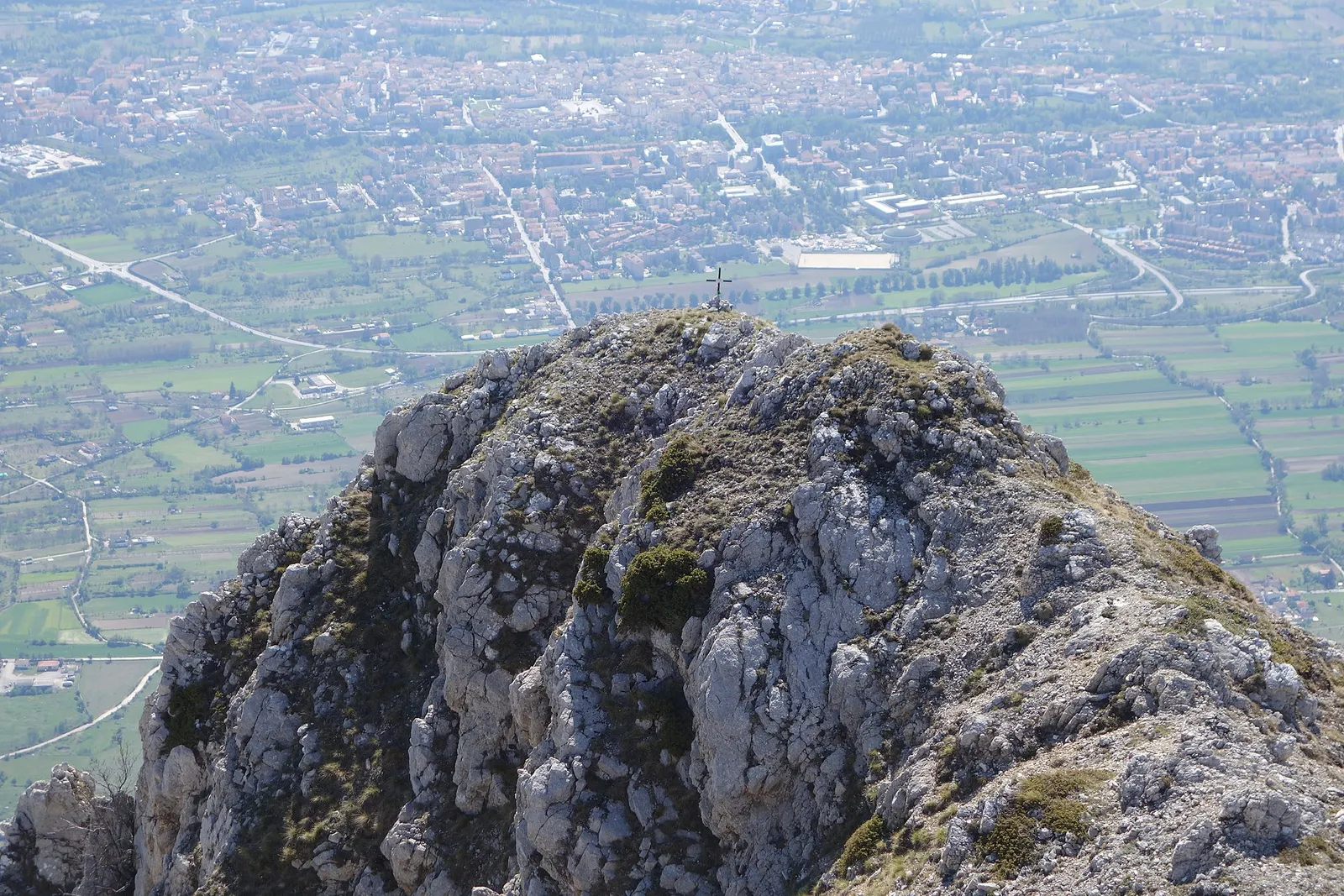
Everything begins in Sulmona, the city of Ovid. The poet of love was born here in 43 BC, and his name still runs the length of the main corso, past the palazzi and the great Piazza Garibaldi, one of the largest in Italy. But Sulmona is also the city of confetti: our tour leads take you into the workshops where almonds are hand-coated in sugar, just as tradition tells us was done in the monasteries of the Valle Peligna centuries ago. It is from here, at the station, that the train departs.
The Transiberian of Italy is the old Sulmona–Carpinone railway, inaugurated in 1897 after years of tunnels blasted through rock and viaducts thrown across the void. The nickname was not coined by those who built it: it was invented in 1980 by the journalist Luciano Zeppegno, who, watching the train vanish into the blizzards of the high plateaus, called it «the little Transiberian». It climbs to the station of Rivisondoli-Pescocostanzo, at 1,268 metres: the second highest in Italy after the Brenner. In winter, when the Altopiano delle Cinque Miglia becomes a white and silent expanse, you understand where that name comes from.
And then there are the villages, each with its own voice. Cocullo, where on the first of May the snake-charmers drape live serpents over the statue of San Domenico, in a rite whose roots reach back to the cult of the goddess Angizia, the Marsican mistress of serpents and healing. Pescocostanzo, a jewel of Renaissance stone and bobbin lace, rebuilt after the earthquake of 1456 by Lombard craftsmen. Anversa degli Abruzzi, suspended above the Gole del Sagittario that inspired D'Annunzio's «La fiaccola sotto il moggio». Three different Abruzzos, one single land.
Upcoming departures
Upcoming departures coming soon — write to us for dates and info.
What you'll live
The Transiberian under the snow
The journey in vintage carriages across the snow-covered plateaus, up to the second highest station in Italy.
Sulmona, Ovid and the confetti
The city of the poet of love, its baroque piazzas and the workshops where the almond is hand-coated in sugar.
The snake-charmer rite of Cocullo
The feast of San Domenico, where Christian faith and the ancient cult of the goddess Angizia intertwine among the serpents.
Pescocostanzo of stone and lace
A Renaissance village at 1,400 metres, among carved portals and bobbin lace passed down from hand to hand.
Stories of the villages
Every village on the journey keeps a story. Here are the ones your tour lead will bring back to life.
 01
01Cocullo — The snake-charmer rite and the goddess Angizia
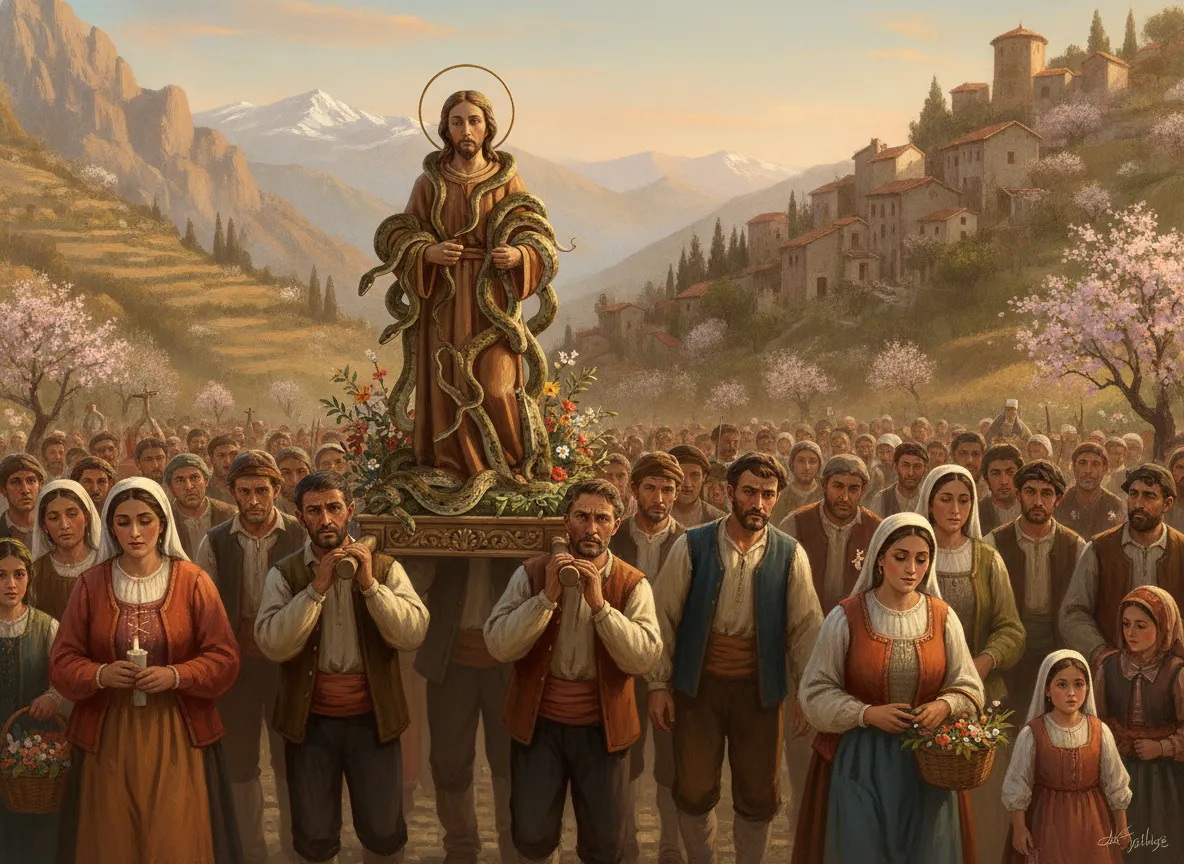
Long before Christianity arrived, this Marsican land venerated Angizia, the sorceress-goddess, sister of Medea and Circe, who — so the myth tells — could tame serpents with her song and heal those bitten by their venom: at her feet, along the shores of the Fucino, snakes were offered in the spring rites. When the abbot San Domenico passed through Cocullo around the year 1000, the ancient devotion merged with the new: it is said the saint freed the fields from serpents and their bites, leaving as a gift one of his molar teeth, still kept today as a relic.
And so, every 1st of May, the snake-charmers catch live snakes in the weeks before the feast and tend them carefully, until at noon — when Mass is over — they drape them over the statue of San Domenico carried in procession through the crowd. Your tour lead takes you inside the sanctuary for the most intimate part of the rite: pulling with your teeth the rope of the small bell, a gesture performed for centuries to ask for protection from toothache. It is the moment when you feel, beneath your fingers, how alive a three-thousand-year-old cult still is.
 02
02Sulmona — Ovid, the poet of love, and the confetti
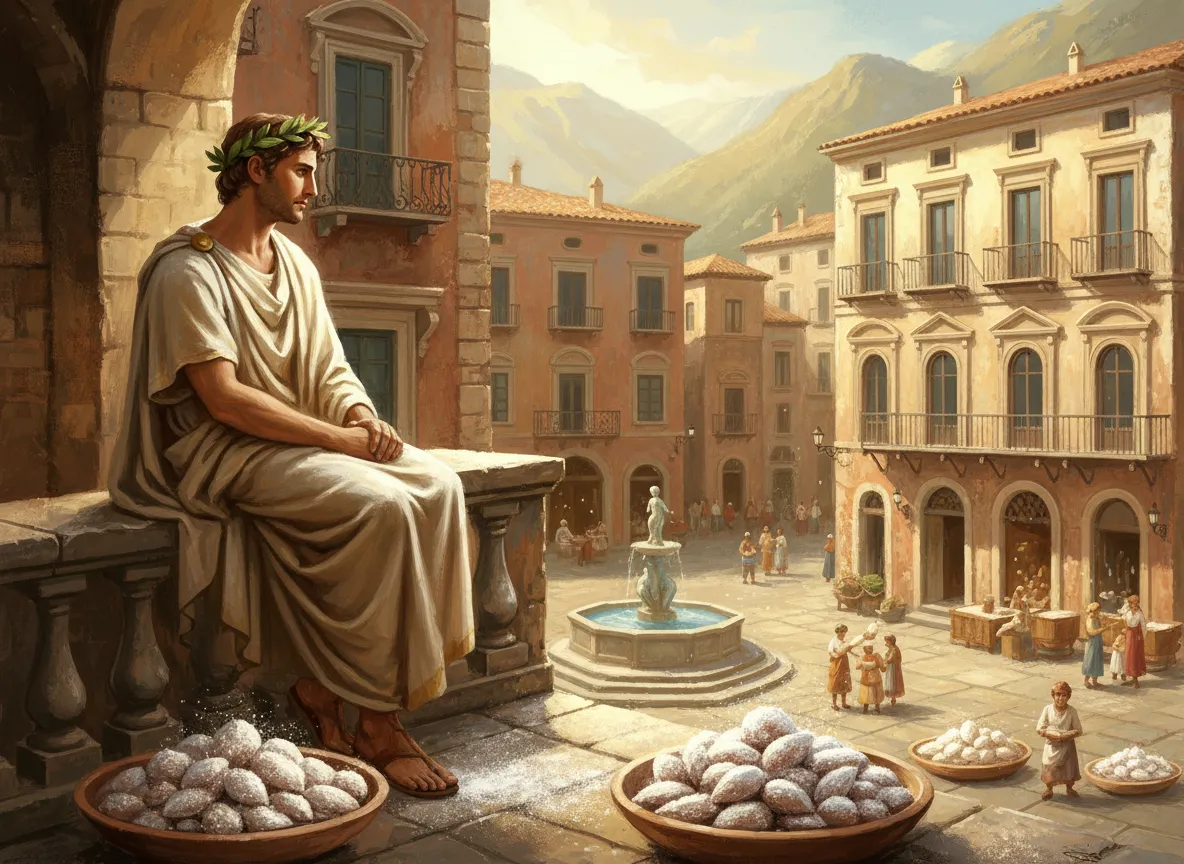
«Sulmo mihi patria est», Sulmona is my homeland: so Publius Ovidius Naso, born here in 43 BC, bound his name forever to this city. The singer of love and the Metamorphoses is everywhere, along the corso that bears his name and in the vast Piazza Garibaldi, one of the largest in Italy. But Sulmona is also the city of confetti, a confectionery art that has flourished here since the fifteenth century: an almond dressed in sugar, without starch or flour, given over the centuries to emperors and Grand Tour travellers such as Goethe.
Your tour lead takes you into the historic workshops — some have been making confetti since 1783 — where you watch the celebrated flowers of Sulmona come to life: tulle petals filled with coloured confetti, made by hand one by one. Among the scent of toasted almond and the glitter of sugar, you understand why the poet of love and the sweet of weddings share the same piazza.
 03
03Pescocostanzo — The rebirth in stone and the bobbin lace
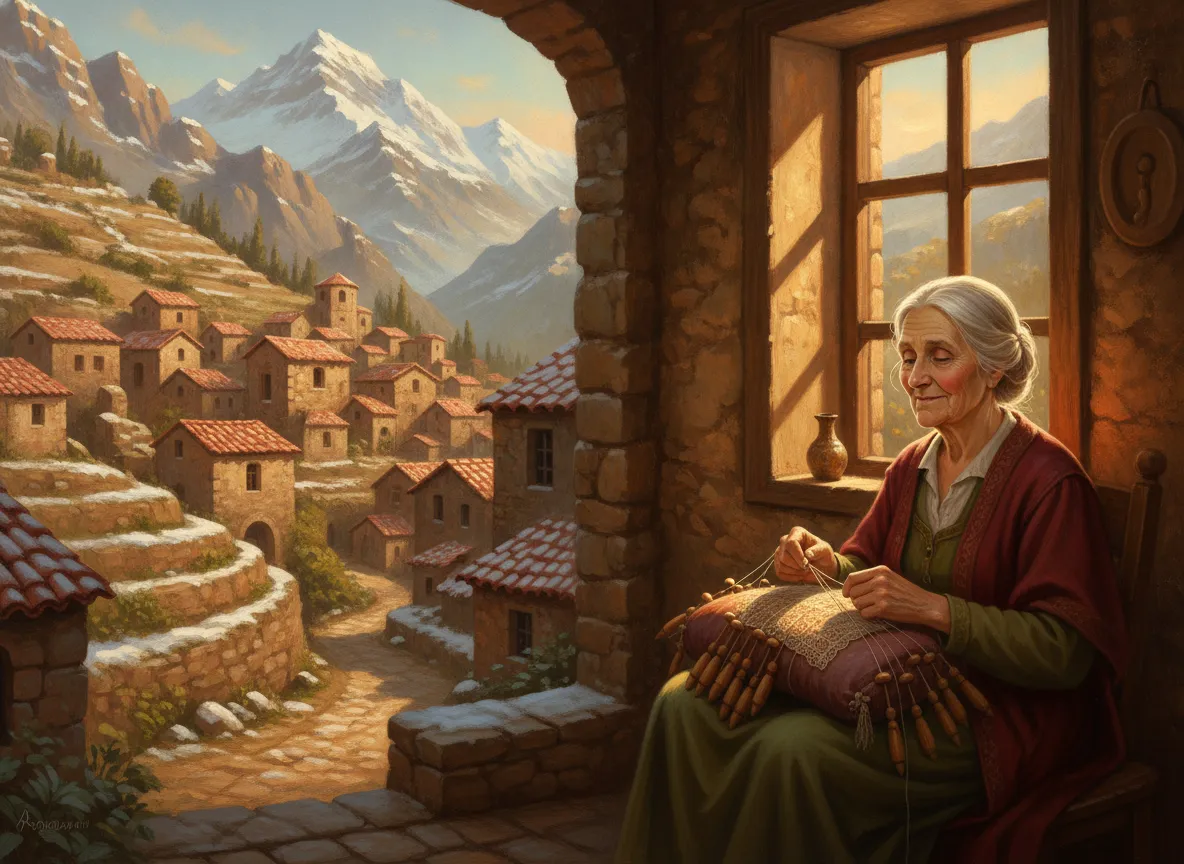
In 1456 a violent earthquake razed much of the village to the ground. From that wound, paradoxically, its beauty was born: to rebuild, Lombard craftsmen arrived bringing with them stonemasons, blacksmiths and goldsmiths, and with their families a wealth of knowledge. From this came the Pescocostanzo we see today, made of noble palazzi, carved portals and paved alleyways, dominated by the Basilica di Santa Maria del Colle rebuilt just a few years after the earthquake.
It was the women of those craftsmen who introduced bobbin lace, the art that has made the village celebrated through the centuries. Your tour lead takes you to a lacemaker, where the rhythm of wooden bobbins on the pillow guides the finest of threads as they interweave into patterns of breathtaking precision. It is an ancient sound, minute and relentless, that tells how from an earthquake can be born the most elegant stonework in Abruzzo and a thread that has never broken.
A century of rails through the mountains
From Ovid to the snake-charmers, from Renaissance stone to the snows of the high plateaus: the history of this land runs along the tracks. Here are the milestones your tour lead will take you through.
- 43 BC
Ovid is born in Sulmona
The poet of love gives Sulmona eternal fame: to this day the city celebrates him along Corso Ovidio and in the vast Piazza Garibaldi.
- 1456
The earthquake and the Lombard masters
After the tremor, Pescocostanzo is reborn in stone thanks to Lombard craftsmen: the Renaissance village of bobbin lace comes into being.
- 1897
The Railway of the Parks
The Sulmona–Carpinone line is inaugurated, with tunnels and viaducts, reaching the station of Rivisondoli-Pescocostanzo at 1,268 m.
- 1980
The «Transiberian of Italy» is born
The journalist Luciano Zeppegno coins the nickname after watching the train disappear into the blizzards of the Altopiano delle Cinque Miglia.
- 2014
The return of the historic train
The line is reborn as a tourist railway with vintage carriages: today it is one of the most beloved scenic trains in Italy.
The Furore group tour — from 20 to 50 participants, on fixed calendar dates — alternates rides on the historic train with organised transfers between the villages, with a dedicated tour lead coordinating every stage. In Sulmona you enter the places where confetti are truly made; on the Transiberian you travel in vintage carriages with windows open onto the Maiella; in Pescocostanzo you watch bobbin lace take shape under the fingers of those who have passed it down through generations. The tables are chosen with care, to let the group savour the authentic cuisine of the territory.
Every stage is guided by the Furore tour lead, accompanied by local experts: people born here or who have chosen to stay, capable of arranging a meeting between the group and a snake-charmer from Cocullo or a shepherd who knows how to read the tracks of the wolf. Because in these parks the Marsican brown bear and the Apennine wolf still live — the true wild heart of the Apennines: we do not promise them as in a zoo, but you learn to read their presence. You sign up, you set off together, you discover the most authentic Abruzzo.
The journey map
When to go
What's included
- Dedicated storytelling tour lead
- Transfers on site included
- Selected charming places to stay
- Experiences and tastings on the programme
- Furore 24/7 assistance
Not included
- Return travel to the departure location
- Meals not indicated in the programme
- Tips and personal extras
- Travel insurance (optional)
Where you will sleep
We choose every place to stay by hand: no anonymous chains, but places with a soul, in the heart of the villages or looking out over the landscape.
Historic residences
Palaces and stone houses in the centre of the villages, among ancient walls and silence.
Boutique hotels
Small charming hotels, with a view, attentive service and an intimate atmosphere.
Farmhouses and wineries
Authentic hospitality among vines, olive trees and real tables, where they welcome you like home.

Your tour lead
Not just any chaperone: a storyteller of the land, born here or who chose to stay. They know the true stories, the doors to open and the right rhythms. They are the person who turns a beautiful journey into an unforgettable memory.
The journey timeline
- Departure from Naples
- Day 1
Sulmona, city of Ovid
Arrival and a walk along Corso Ovidio to Piazza Garibaldi. A visit to a confetti workshop and dinner in the Peligna tradition.
- Day 2
Aboard the Transiberian
The historic train from Sulmona towards the high plateaus: Campo di Giove at the foot of the Maiella, Roccaraso and the Altopiano delle Cinque Miglia.
- Day 3
Pescocostanzo and the bobbin lace
The jewel village of Renaissance stone and the Basilica di Santa Maria del Colle; a meeting with a lacemaker and slow time among the alleyways.
- Day 4
Cocullo and the Gole del Sagittario
The villages of the snake-charmers and of D'Annunzio: Cocullo, Anversa degli Abruzzi and the Sagittario canyon, between nature and legend.
- Return to Naples
Frequently asked
What is the best time to travel on the Transiberian of Italy?
It depends on the mood you are seeking: winter for the snow and Christmas markets, spring and autumn for the colours and the villages alive yet peaceful. For the snake-charmer festival in Cocullo, the 1st of May.
How many days does this tour of Abruzzo last?
The tour takes place over 4–6 days: enough time to alternate rides on the historic train with visits to the villages, without stressful transfers and with plenty of time for the table and the parks.
Can you really see wolves and bears?
They are free and wild animals, so we cannot promise a sighting: with our expert tour leads, however, you go out to read their tracks in the Parco della Maiella, where they live permanently.
Is the tour suited to those who love a slow pace?
Absolutely: the Furore calendar is designed with an unhurried rhythm, intimate villages, vintage carriages and carefully chosen gastronomic stops — perfect for those seeking authenticity rather than kilometres.
More villages to discover
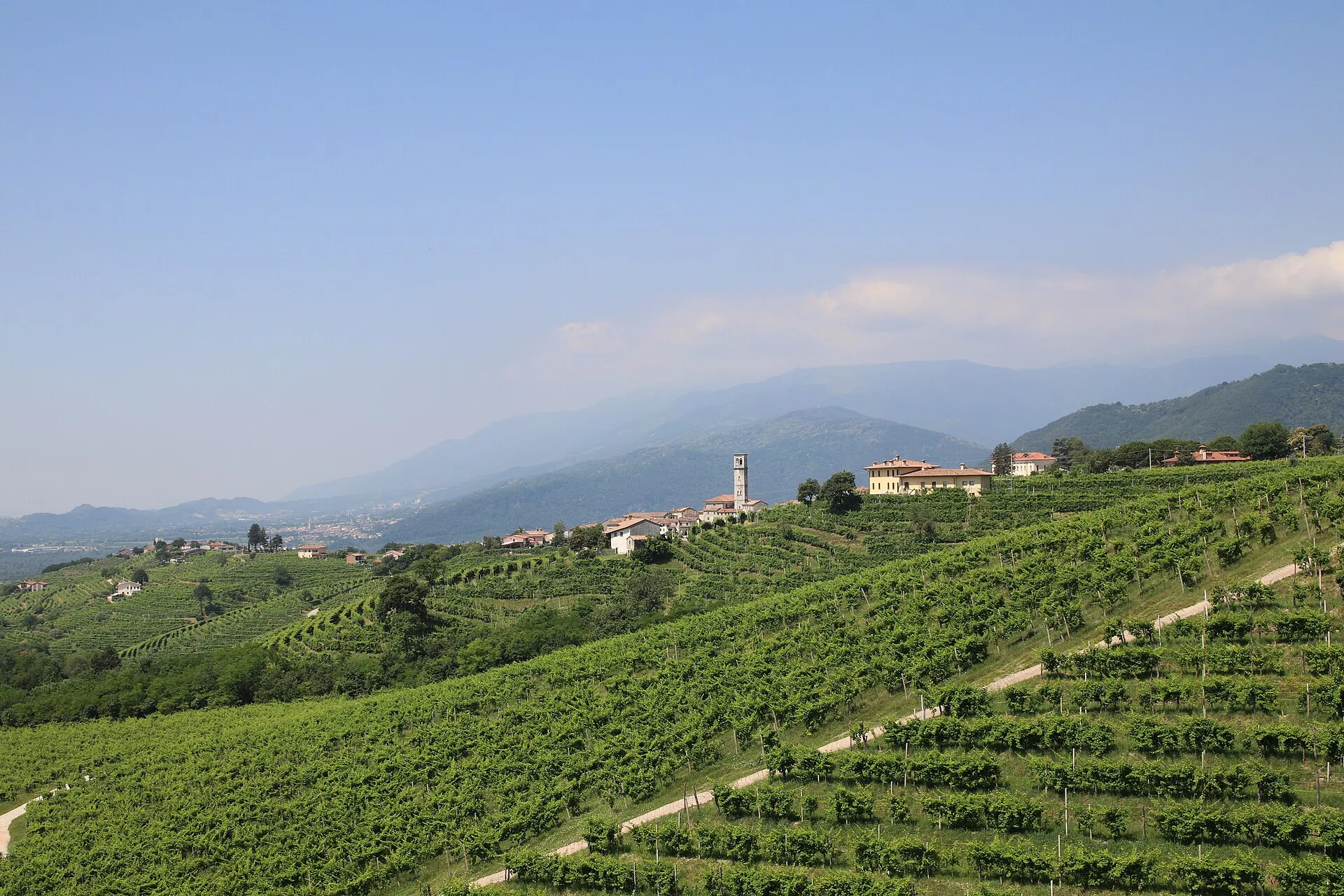 Veneto
Colline del Prosecco
Veneto · Valdobbiadene, Conegliano and the UNESCO Rive
Hills where the light of the Pre-Alps becomes wine
Explore the village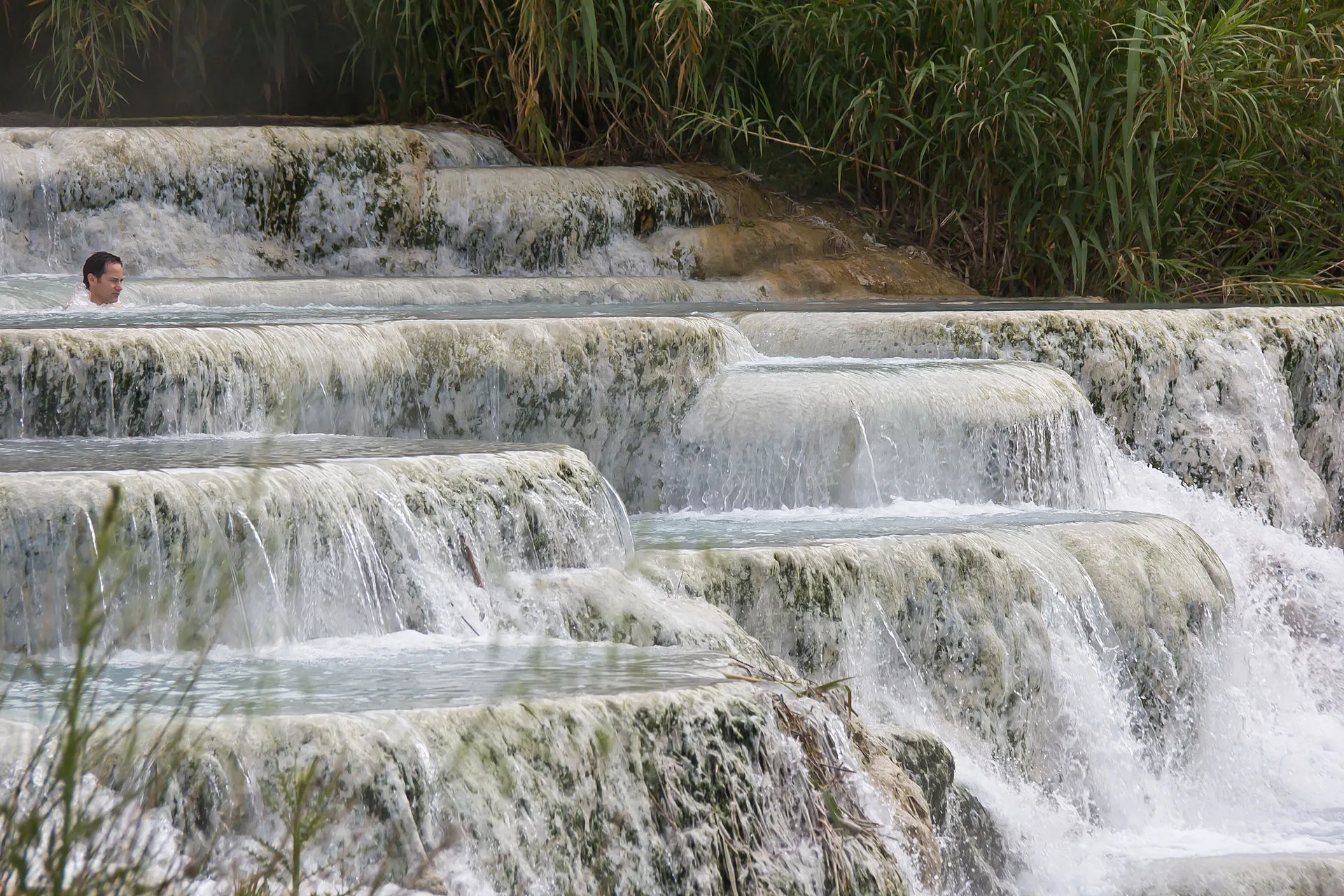 Tuscany
Saturnia and the Tuscan Maremma
Tuscany · Saturnia, Pitigliano, Sovana
Warm waters born from a thunderbolt and cities carved from tufa
Explore the village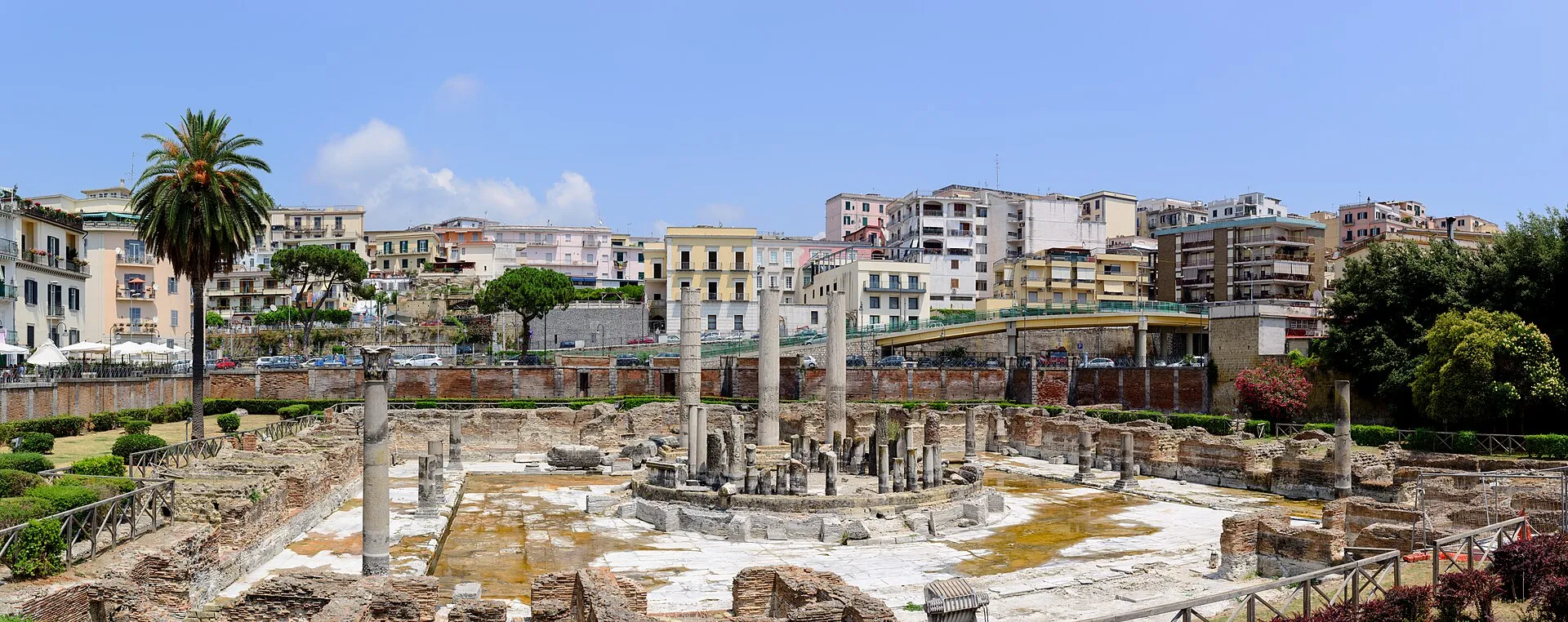 Campania
Rione Terra and the Campi Flegrei
Campania · Pozzuoli, Cuma, Baia
The land that burns, breathes and keeps the oracles
Explore the villageReady to truly set off?
Choose the tour that calls you and sign up: the itinerary, the stories and the logistics are on us.