
Campania · Pozzuoli, Cuma, Baia
Rione Terra and the Campi Flegrei
The land that burns, breathes and keeps the oracles
- History & art
- Sea & islands
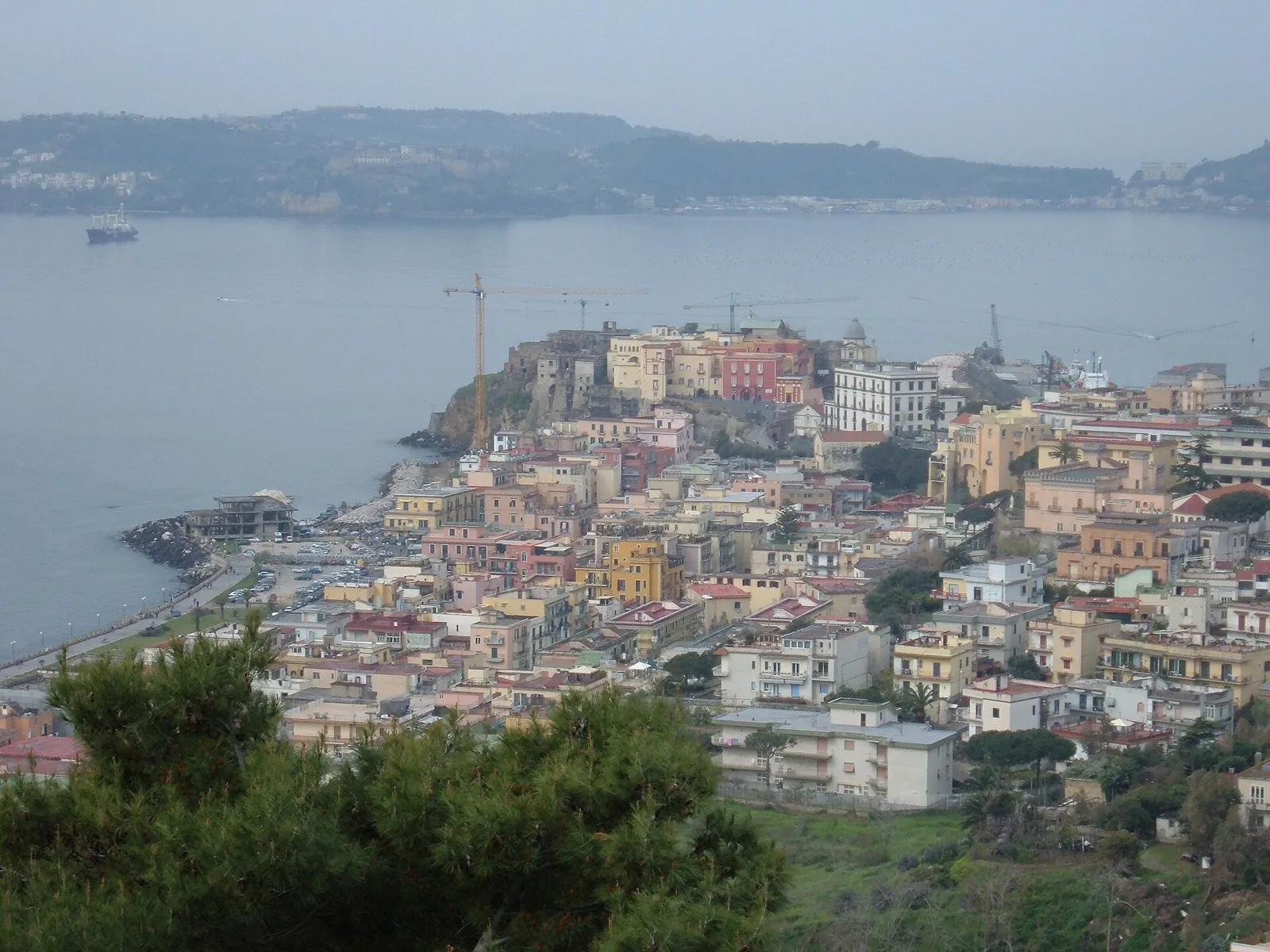
A stone's throw from Naples lies a land the Greeks called the «burning fields». Here the ground still breathes — rising and falling by metres — and beneath the streets of Pozzuoli, beneath the waves of Baia, inside the rock of Cuma, an entire world lies sleeping. This is no day trip: it is the journey where mythology becomes geography.
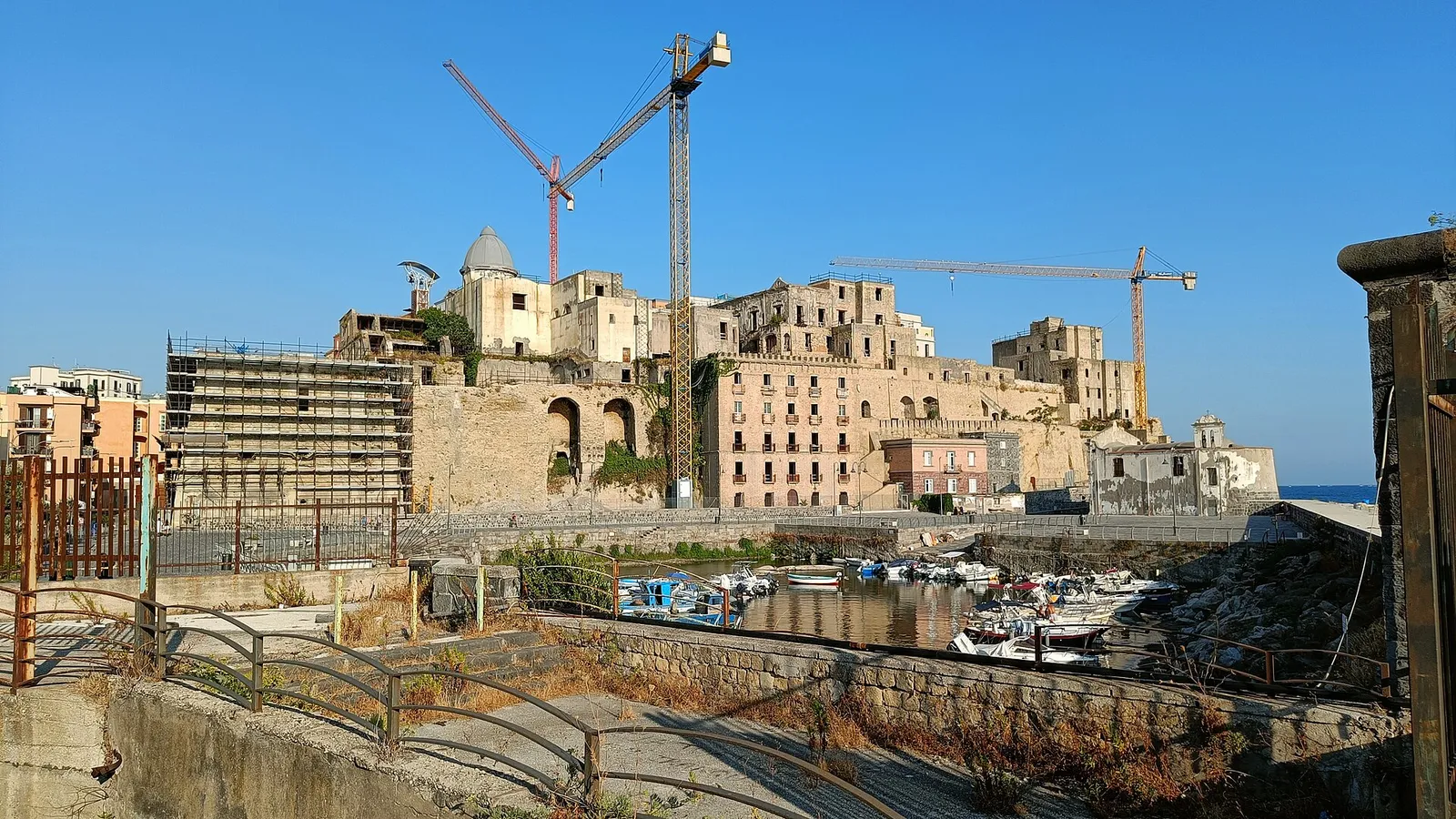
It begins with a citadel that was emptied in a single night. On 2 March 1970, the Rione Terra — the oldest nucleus of Pozzuoli — was evacuated: bradyseism, that slow heaving of the earth that no one here has ever been able to stop, had made the buildings unsafe, and the neighbourhood was closed, abandoned, forgotten. For decades it hung above the gulf like a ghost town. Then the excavations revealed what lay beneath: the acropolis of ancient Puteoli, the Roman colony founded in 194 BC that served for centuries as Rome's principal commercial port. Our tour leads take you through the underground archaeological route, along the original cardines and decumani, past the workshops, the grain warehouses and the pistrinum with its millstones almost perfectly intact: you walk the actual street of imperial Puteoli while, just above your head, the Pozzuoli of today goes on living.
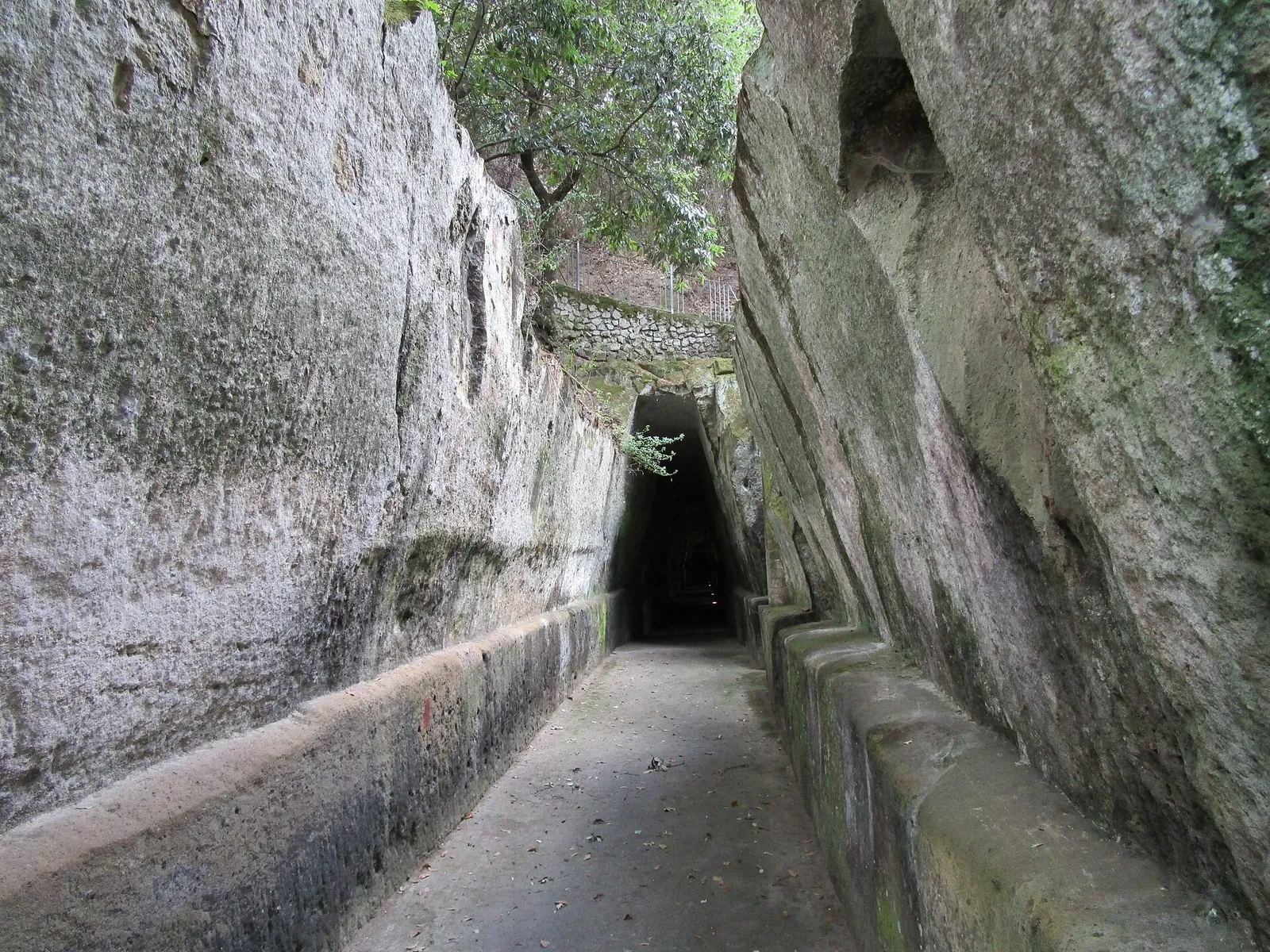
Then you descend to Cuma, the oldest Greek colony in the Western world, and you stop before the Antro della Sibilla. It is a corridor 131 metres long, cut into the tufa in a trapezoidal section, with lateral openings that let the light fall in bands: the archaeologist Amedeo Maiuri brought it back to light in 1932, but it already existed in verse. Virgil, in the sixth book of the Aeneid, had imagined it as the threshold from which Aeneas descends to the underworld, guided by the Cumaean Sibyl. The tour lead tells you her legend: beloved by Apollo, she asked to live as many years as the grains of sand she held in her fist, but forgot to ask for eternal youth. She aged until she shrank away, until nothing of her remained but her voice. Stand in that tunnel of cool stone and, even if you are not one for shivers, you feel something.
Finally there is the sea that swallowed a city. At Baia, where for five centuries Roman patricians built their villas of otium among thermal springs, bradyseism did the opposite of what it did to the Rione Terra: it caused everything to sink beneath the waves. Today it is the largest submerged archaeological park in the world — an underwater Pompeii buried not by ash but by the sea. We show it to you in person: snorkelling above the mosaics, on a glass-bottomed boat, or diving among the nymphaeum of Punta Epitaffio and the Villa dei Pisoni. Fish swimming through the rooms of emperors: that is not a metaphor — it is exactly what you see.
Upcoming departures
Upcoming departures coming soon — write to us for dates and info.
What you'll live
Rione Terra Underground
The archaeological route through the acropolis of Puteoli: cardines, decumani and Roman workshops beneath the city of today, reopened after decades of abandonment.
The Antro della Sibilla
The 131-metre corridor in the tufa celebrated by Virgil: the threshold of the underworld where the oracle of Cuma once spoke.
Sunken Baia
Mosaics, nymphaea and imperial villas beneath the sea: snorkelling, glass-bottomed boat or diving in the largest submerged park in the world.
The Breathing Solfatara
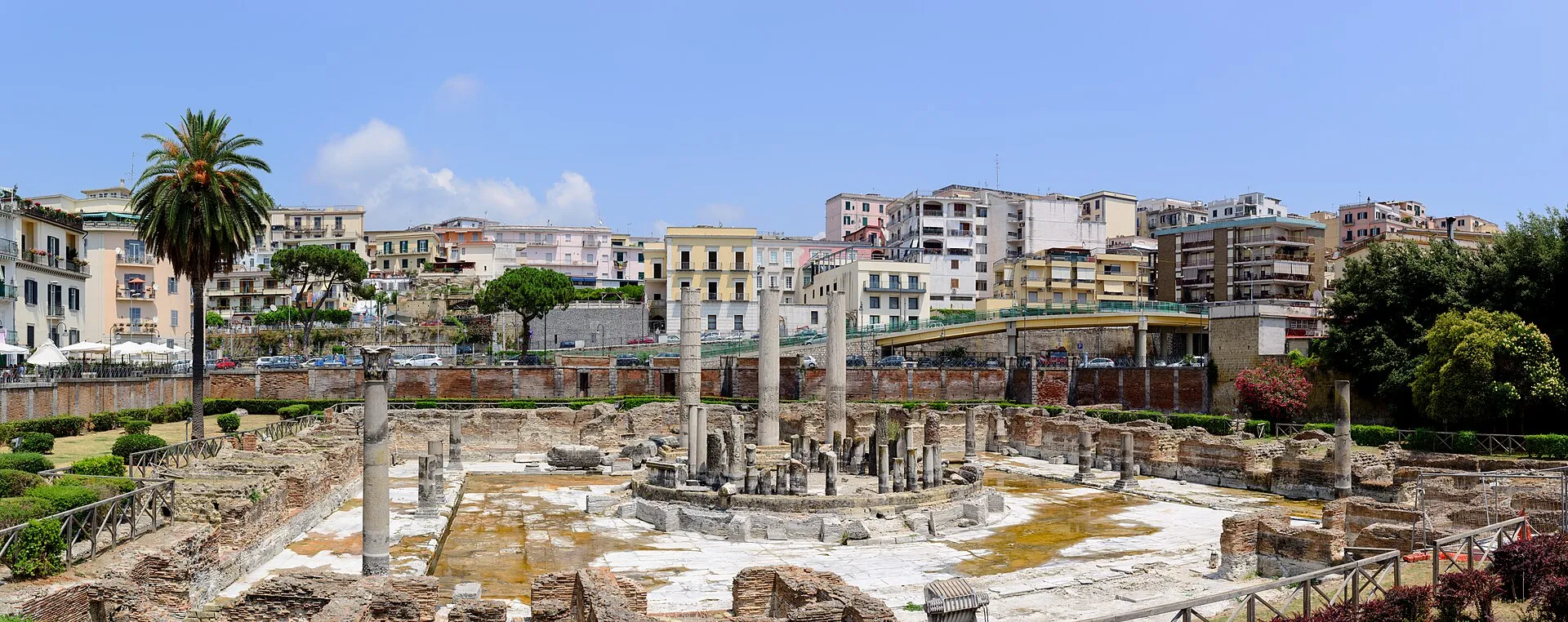
Fumaroles, sulphur and bubbling mud in a crater active for two thousand years, with the columns of the Macellum measuring the bradyseism.
Stories of the villages
Every village on the journey keeps a story. Here are the ones your tour lead will bring back to life.
 01
01Cuma — The Sibyl and her grotto
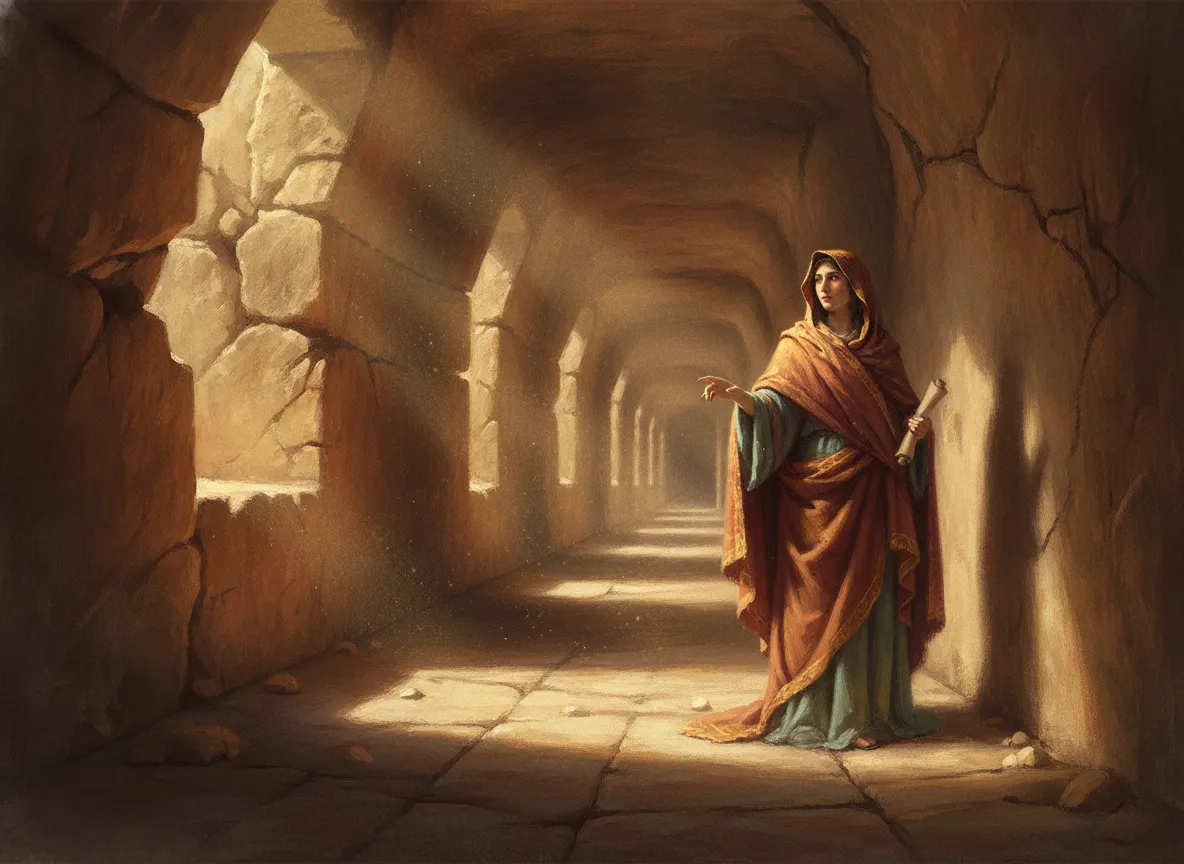
Legend tells that the god Apollo, in love with the Sibyl of Cuma, promised to grant her every wish. She gathered a handful of sand and asked to live as many years as the grains she held in her palm — but forgot to ask for eternal youth as well. The centuries wore her away until she shrank to nothing, and all that remained of her was her voice. Virgil, in the sixth book of the Aeneid, imagined this very place as the threshold of the underworld, the grotto «of a hundred mouths» from which Aeneas descended among the shades, guided by the oracle.
The corridor in the tufa truly exists: 131 metres of trapezoidal section, brought back to light by the archaeologist Amedeo Maiuri in 1932. The tour lead accompanies you into the half-light, where the lateral openings cut the light into regular bands across the floor. You walk through that breath of cool stone and, even if you are not one for shivers, you understand why for the Greeks and Romans this was the place where a god could speak.
 02
02Rione Terra — The city closed in a single night
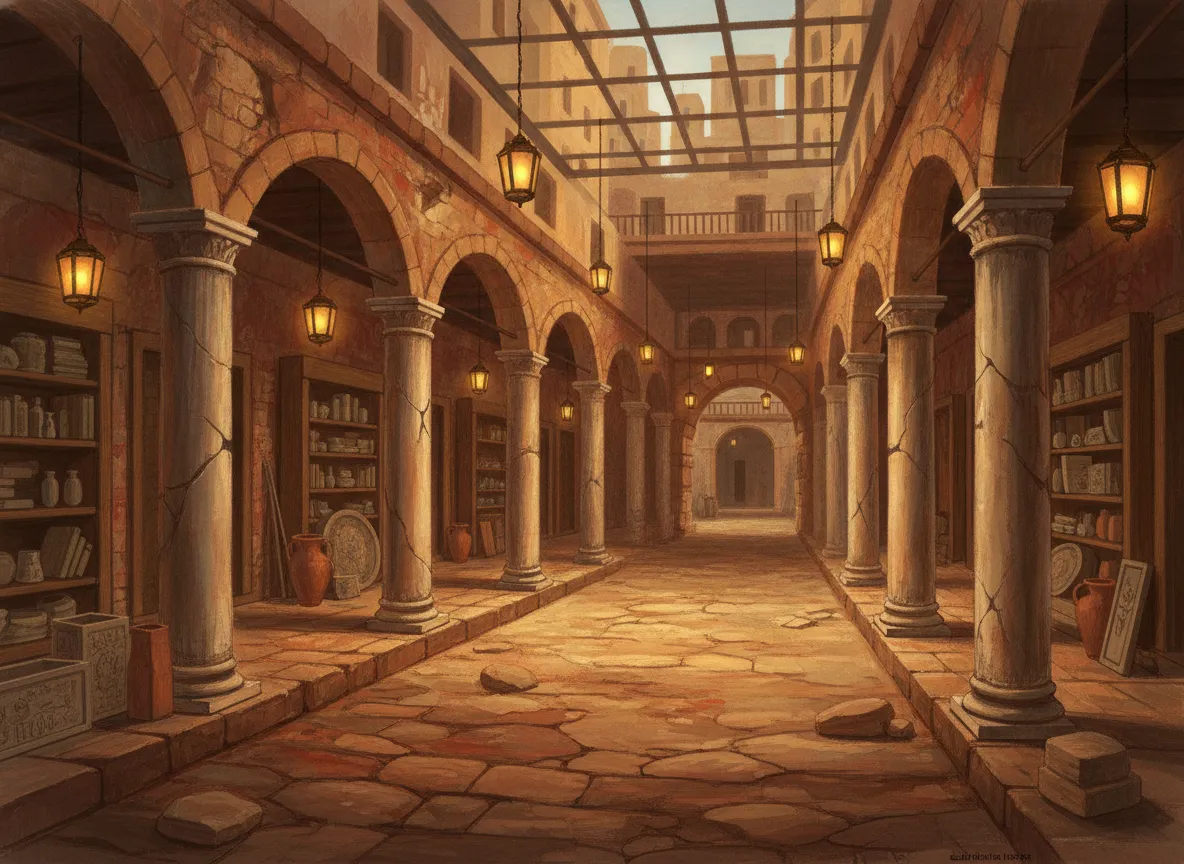
On 2 March 1970, the Rione Terra — the oldest nucleus of Pozzuoli — emptied in an instant. Bradyseism, that slow heaving of the ground that no one here has ever been able to stop, had opened cracks in the buildings, and within two days the neighbourhood that had been inhabited without interruption for twenty-five centuries became a ghost town. For decades it hung above the gulf, blind walls and empty windows, forgotten by most. Then the excavations revealed what it had been keeping beneath it: the acropolis of ancient Puteoli, the Roman colony that for centuries was Rome's great grain port.
Today the tour lead guides you through the underground archaeological route, along the original cardines and decumani, past workshops, warehouses and a pistrinum with its millstones almost perfectly intact. You walk the actual street of imperial Puteoli while, just a few metres above your head, the Pozzuoli of always goes on living. It is the same city, twice over: one buried and reborn, the other continuing, and you are at the exact point where the two touch.
 03
03Baia — The riviera of pleasures beneath the sea
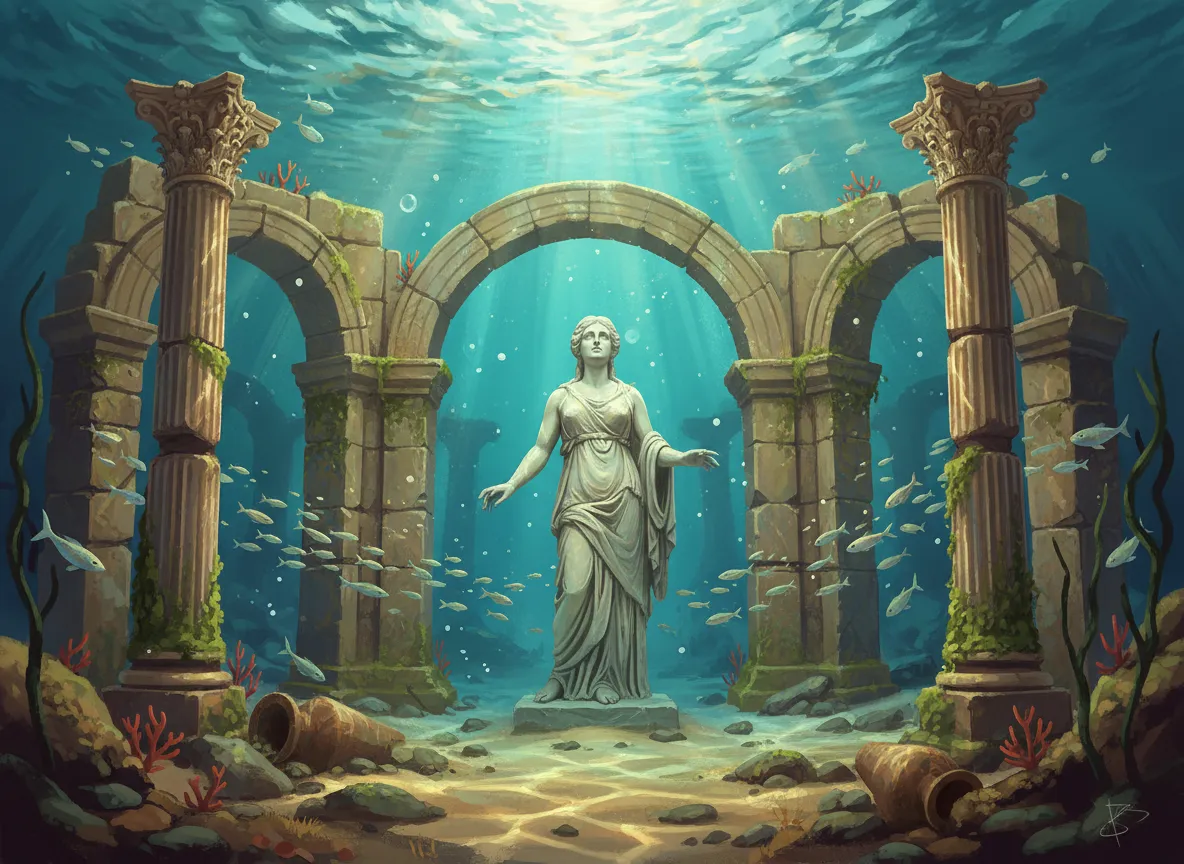
For five centuries Baia was the empire's riviera of pleasure: at Baiae the Roman patricians — and the emperors themselves — built villas of otium around the thermal springs, in a place as beautiful as it was notorious for its excesses. Then bradyseism did the opposite of what happened to the Rione Terra: instead of lifting, it caused everything to sink. Slowly, over the course of more than a millennium, nymphaea, baths and mosaics slipped beneath the waves, to the roughly six metres of water they rest in today. It is the largest underwater Pompeii in the world, buried not by ash but by the sea.
The same breathing earth can be read even staying dry, at the Macellum of Pozzuoli that everyone still calls the «Temple of Serapis»: the tour lead points out, more than six metres up on the cipollino marble columns, the holes bored by lithodomus molluscs. Those small cavities are the exact proof that the sea once reached that height, and then withdrew. Above Baia, by contrast, it is you who swim today: fish drifting in and out of the rooms of emperors — and that is not a metaphor, it is exactly what you see.
Two thousand years of rising and falling with the ground
The Campi Flegrei are a history book that the earth itself keeps turning: bradyseism raises and lowers the ground, and with it harbours, villas and temples. Here are the milestones your tour lead will bring within reach.
- 194 BC
Puteoli is founded
Rome establishes the colony of Puteoli on the ancient Greek settlement of Dicaearchia: it will become for centuries the principal commercial port of the Urbs, a staging post for Egyptian grain.
- 1st century BC – 1st century A
Baia, the emperors' riviera
Roman patricians build their villas of otium at Baiae around the thermal springs; bradyseism will later cause it to sink beneath the sea.
- 1st century BC
The Macellum of Pozzuoli
The city market is built, later called the «Temple of Serapis»: the bore-holes of lithodomus molluscs on its columns will become the historical proof of bradyseism.
- 1932
Maiuri and the Antro della Sibilla
The archaeologist Amedeo Maiuri identifies at Cuma the tufa corridor as the Antro della Sibilla celebrated by Virgil in Book VI of the Aeneid.
- 2 March 1970
The Rione Terra evacuated
Bradyseism forces the hasty evacuation of the ancient nucleus of Pozzuoli; it will reopen decades later as an underground archaeological route over the acropolis of Puteoli.
With Furore, the Campi Flegrei become a single layered story, experienced as a group: the tour departs on fixed calendar dates, with a group of 20 to 50 participants and a dedicated tour lead who connects each stop to the next. Transfers are organised, access to the sites is booked at the right moments, and the meals — always chosen with care from among the flavours of the Flegrei gulf — are part of the programme. This is a land that almost everyone passes through on the motorway without ever seeing it: which is precisely why entering it together, with people who share the same curiosity, is a particularly rare privilege. At the Solfatara you smell the sulphur and see the fumaroles that have been smoking for two thousand years; at the Macellum of Pozzuoli — which everyone still calls the «Temple of Serapis» — the tour lead points out the bore-holes of lithodomus molluscs on the columns, more than six metres above the ground: the exact proof that the sea was once up there, and then withdrew. The land here is not a backdrop: it is the main character.
All of this is a stone's throw from Naples, our home: in the evening the group returns to the city for a seafood dinner by the water, or stays in properties overlooking the Flegrei gulf selected by Furore. The pace of the tour is designed to truly listen to this land — which, literally, is still alive and in motion — without ever rushing from one site to the next. Signing up for a calendar date means finding everything already arranged: all you need to do is arrive and let yourself be guided.
The journey map
When to go
What's included
- Dedicated storytelling tour lead
- Transfers on site included
- Selected charming places to stay
- Experiences and tastings on the programme
- Furore 24/7 assistance
Not included
- Return travel to the departure location
- Meals not indicated in the programme
- Tips and personal extras
- Travel insurance (optional)
Where you will sleep
We choose every place to stay by hand: no anonymous chains, but places with a soul, in the heart of the villages or looking out over the landscape.
Historic residences
Palaces and stone houses in the centre of the villages, among ancient walls and silence.
Boutique hotels
Small charming hotels, with a view, attentive service and an intimate atmosphere.
Farmhouses and wineries
Authentic hospitality among vines, olive trees and real tables, where they welcome you like home.
Your tour lead
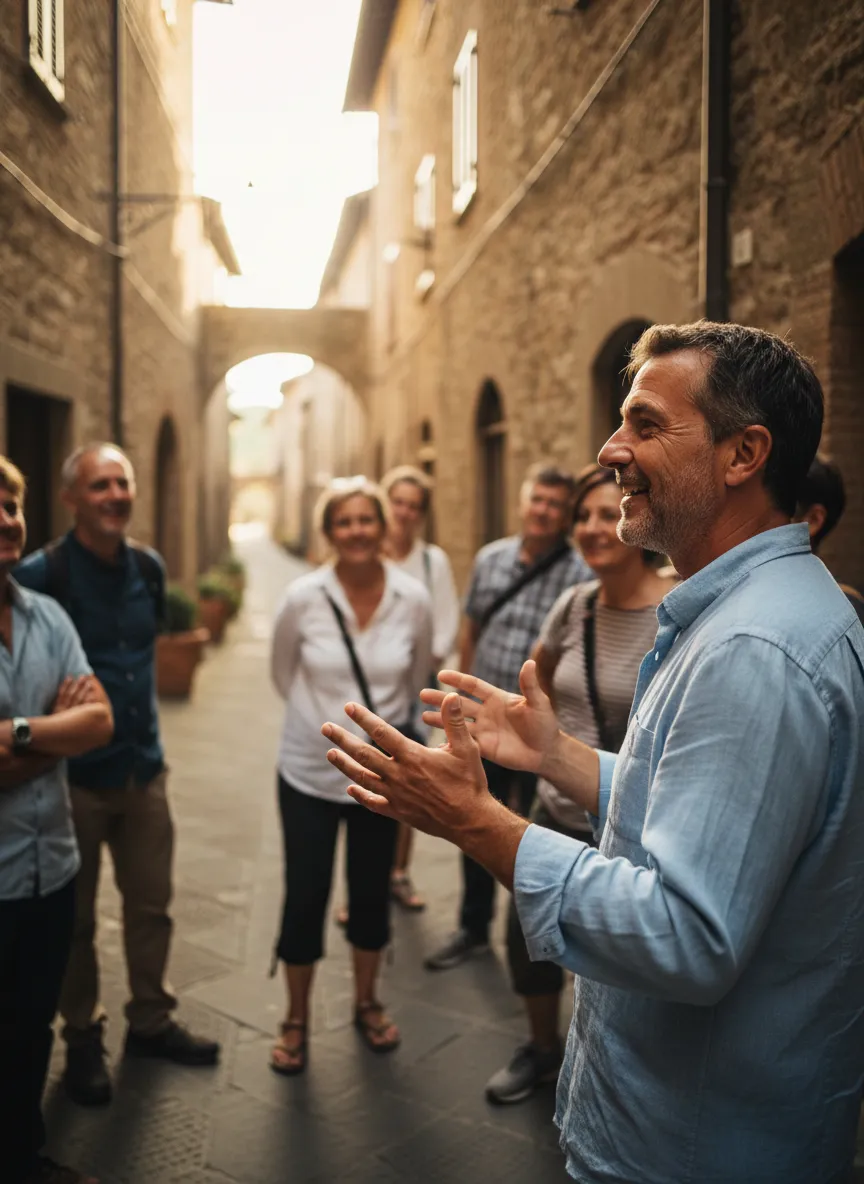
Not just any chaperone: a storyteller of the land, born here or who chose to stay. They know the true stories, the doors to open and the right rhythms. They are the person who turns a beautiful journey into an unforgettable memory.
The journey timeline
- Departure from Naples
- Day 1
Pozzuoli and the Rione Terra
Arrival from Naples, underground archaeological route through ancient Puteoli and the Macellum of Serapis. Seafood dinner at the Flegrei harbour.
- Day 2
Cuma and the Sibyl
The archaeological park of Cuma, the Antro della Sibilla and the acropolis with the Temple of Apollo, between Greek myth and Virgilian verse.
- Day 3
Baia Beneath the Sea
The submerged park of Baia by snorkel or glass-bottomed boat, the Aragonese Castle and its archaeological museum.
- Day 4
The Burning Land
The Solfatara and its fumes, Lake Averno — the ancients' entrance to the underworld — and a farewell toast looking out over the gulf.
- Return to Naples
Frequently asked
How far are the Campi Flegrei from Naples?
Very close: Pozzuoli is practically at the gates of Naples, just a handful of kilometres from the centre. It can be enjoyed as a day excursion or as a base for a stay on the Flegrei gulf.
Can you see the submerged park of Baia without knowing how to swim?
Yes. In addition to guided dives there are snorkelling tours with an instructor and glass-bottomed boats, perfect for those who prefer to stay on the surface or are travelling with children.
Does bradyseism make visiting dangerous?
No. It is a slow phenomenon that is constantly monitored; the sites open to the public are safely accessible. The movement of the ground is in fact part of the story that makes this land unique.
How many days do you need for the Campi Flegrei?
We recommend 3–4 days to experience Rione Terra, Cuma, Baia and the Solfatara at a relaxed pace, alternating archaeology, sea and table without rushing.
More villages to discover
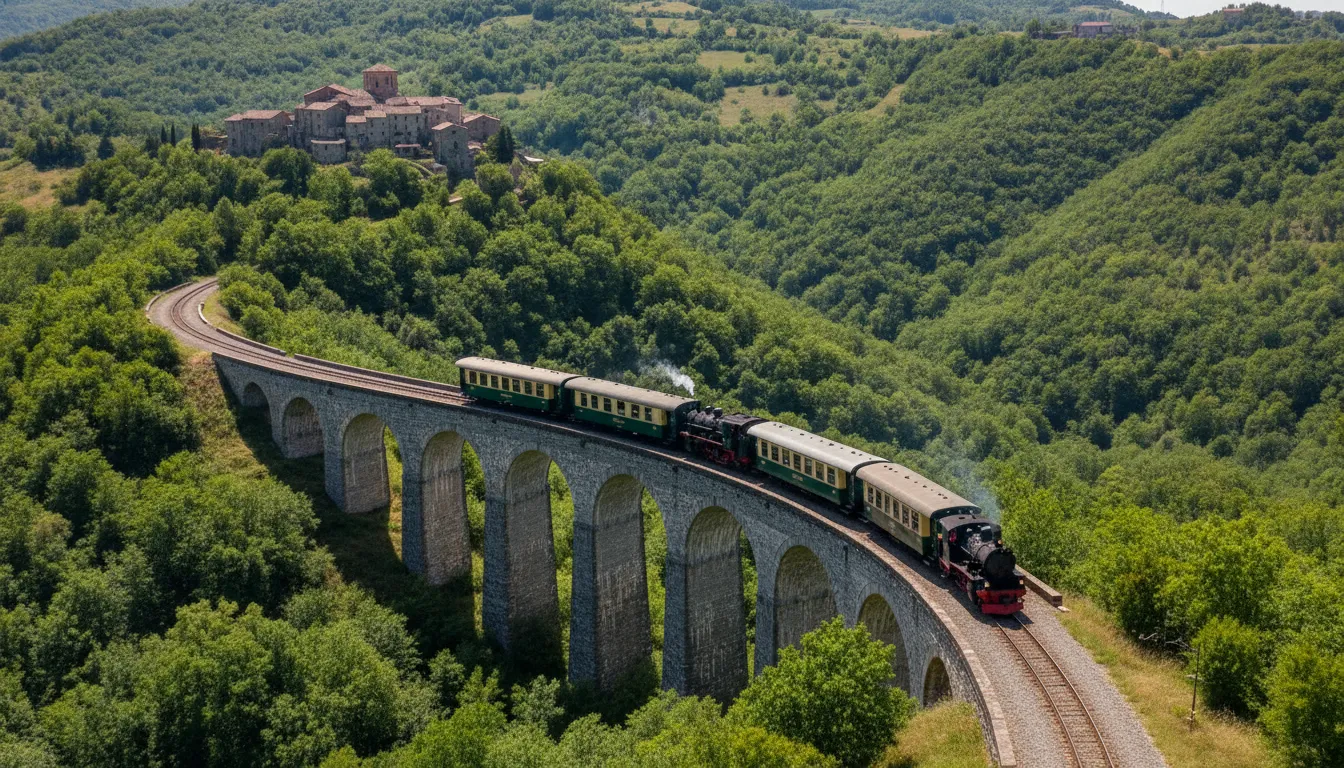 Abruzzo
Italy's Transiberian and the Villages of Abruzzo
Abruzzo · Sulmona, Pescocostanzo, Cocullo, Campo di Giove
A slow train through the wild heart of the Apennines
Explore the village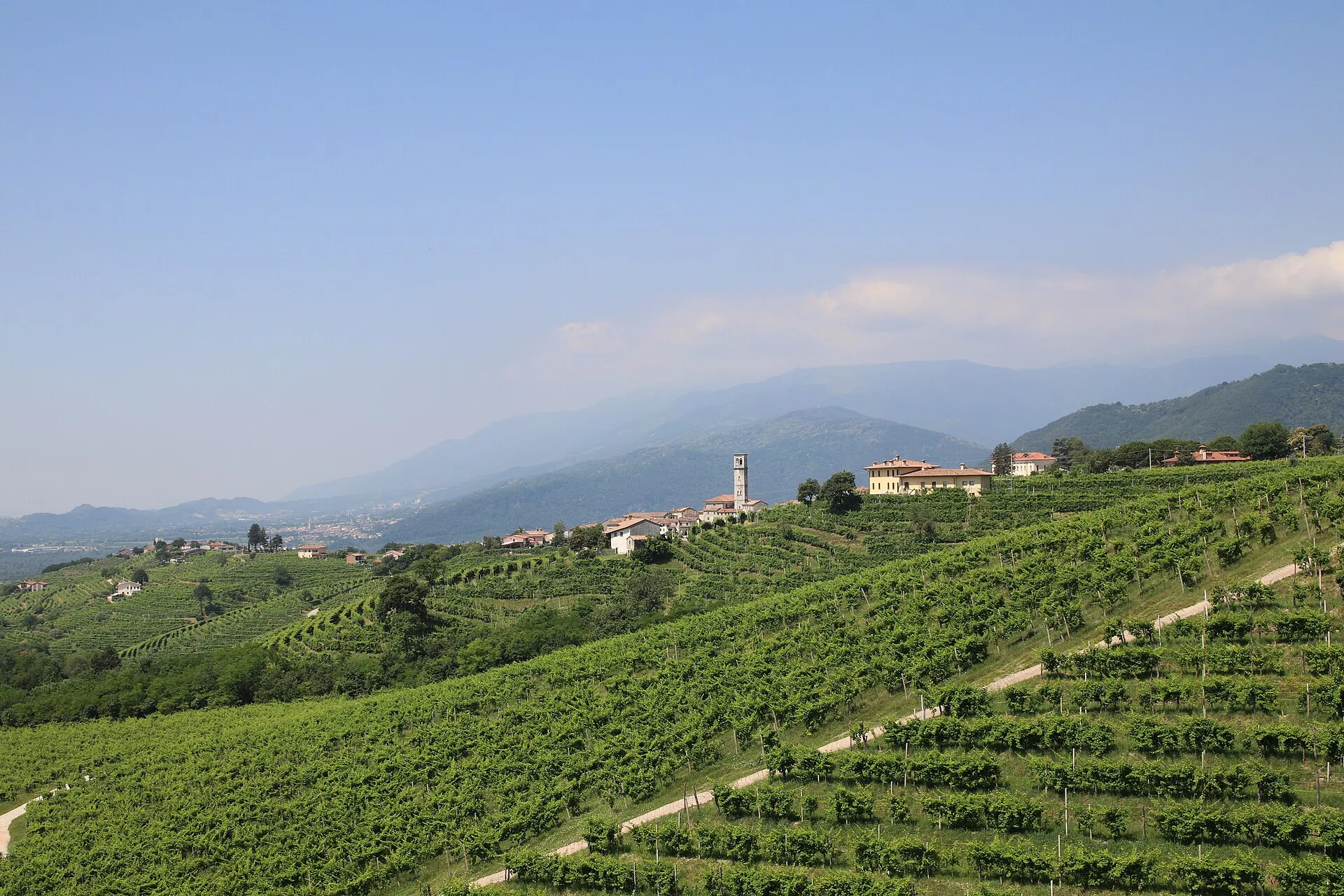 Veneto
Colline del Prosecco
Veneto · Valdobbiadene, Conegliano and the UNESCO Rive
Hills where the light of the Pre-Alps becomes wine
Explore the village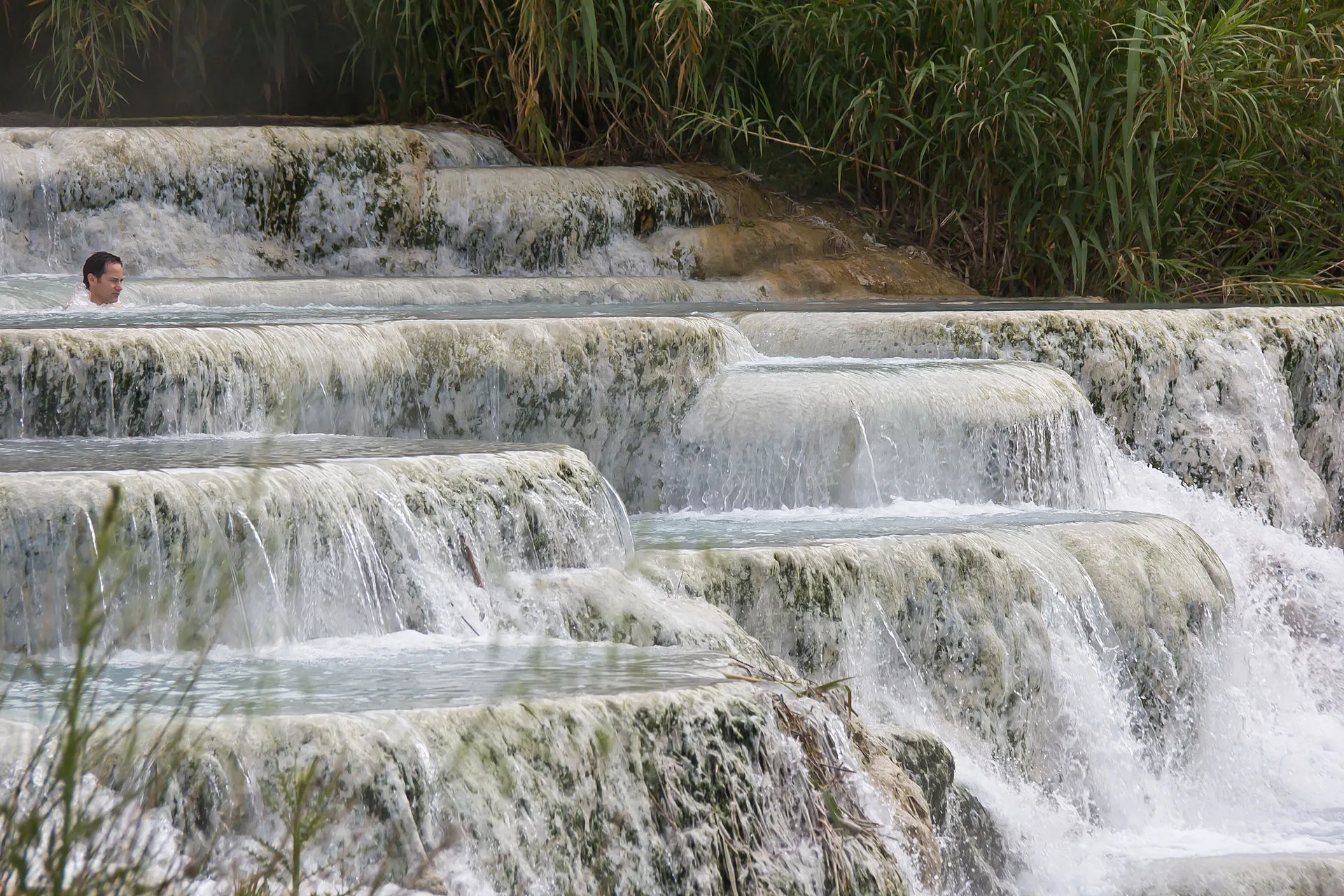 Tuscany
Saturnia and the Tuscan Maremma
Tuscany · Saturnia, Pitigliano, Sovana
Warm waters born from a thunderbolt and cities carved from tufa
Explore the villageReady to truly set off?
Choose the tour that calls you and sign up: the itinerary, the stories and the logistics are on us.